Beyond the Ride: How Scooter Repairs Empower Urban Riders
February 15, 2026
The Environmental Case for Reusing E-Scooter Parts
March 31, 2026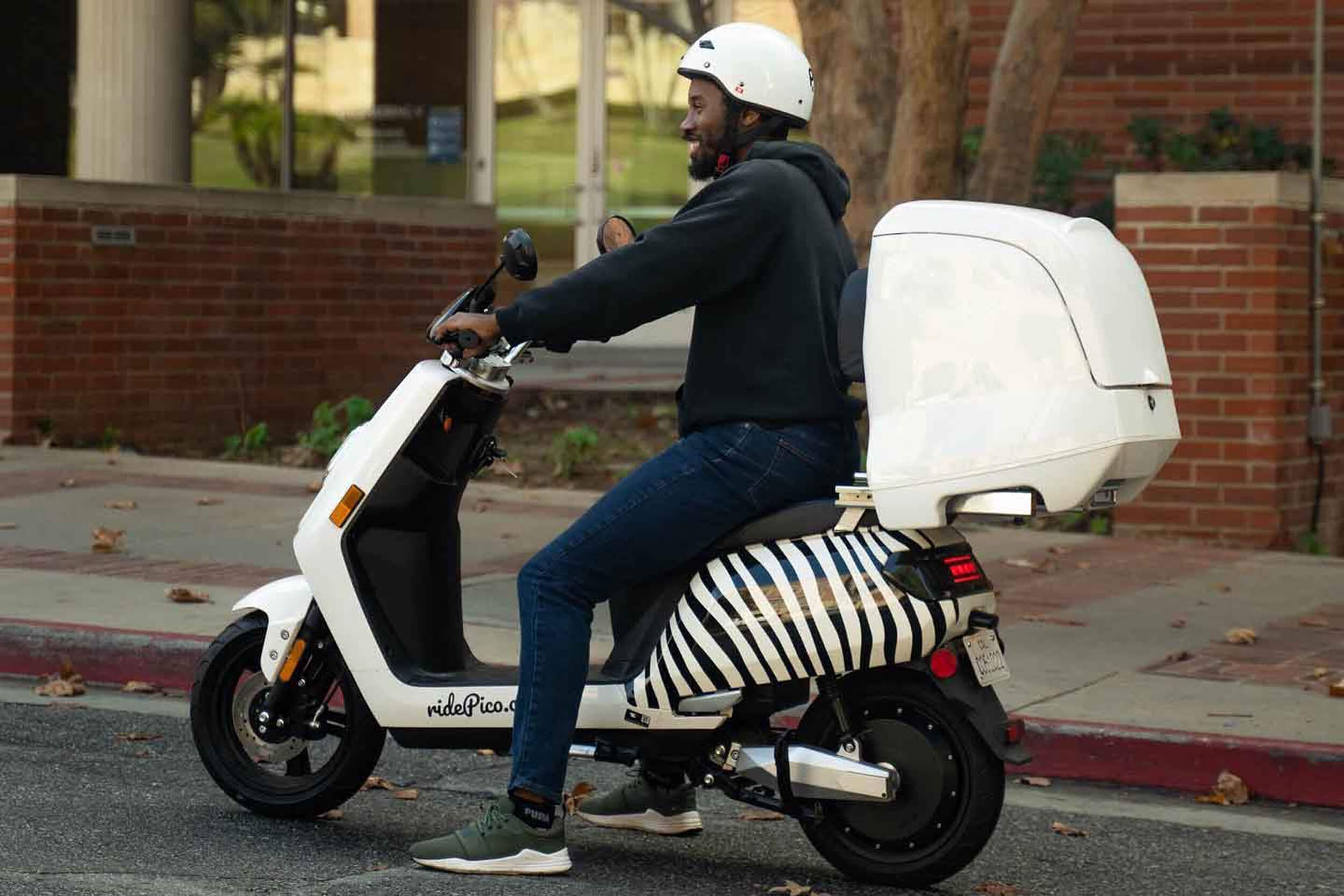
Article 16
E-Scooters for Delivery Work: What Riders Need to Know
Over the past few years, the gig economy has exploded—and with it, a new type of urban worker has emerged: the scooter-based delivery rider. Whether they’re delivering food, parcels, or groceries, these riders have turned electric scooters into serious business tools.
But riding a scooter for work isn’t the same as using one for personal errands or weekend cruises. When your income depends on reliable transport, every detail matters—from battery range and durability to comfort and repairability.
At Scootshop, we work with hundreds of riders who use second-hand or rebuilt scooters to power their delivery work. These riders need quality and affordability in one package. And more importantly, they need tools that last.
If you’re a delivery worker—or thinking of becoming one—this article will walk you through what you need to know before investing in an electric scooter for the job.
A Scooter That Works as Hard as You Do
In delivery work, reliability isn’t just a convenience—it’s a requirement. If your scooter stops working mid-shift, you’re not just inconvenienced; you’re losing money, ratings, and possibly future gigs.
That’s why the first priority for any delivery rider should be finding a scooter that can handle consistent, daily use.
You’re not just going to the café or park. You’re navigating busy traffic, stopping and starting frequently, and riding in all kinds of weather. You need something built with range, stamina, and comfort in mind. Many scooters on the market today are great for recreational use—but delivery work requires more muscle.
Range and Battery Life: Your Lifeline
When you’re riding for several hours a day, battery life becomes critical. Every trip drains power, especially if you’re carrying a heavy backpack or riding uphill.
It’s important to know that real-world range often falls short of what manufacturers advertise. If a scooter claims 40 kilometers per charge, you might get 25–30 in stop-and-go city traffic—especially if your battery is older or partially degraded.
That’s why we recommend choosing a scooter with a slightly higher range than you think you need. And for those buying second-hand, always ask about battery condition. At Scootshop, we test and rebuild batteries so riders know exactly what they’re getting—and can trust it to last through a full shift.
Comfort Is Non-Negotiable
Delivery work can be surprisingly hard on the body. If your scooter has solid tires and no suspension, your hands and knees will feel every bump in the road. That kind of discomfort adds up quickly when you’re riding for hours at a time.
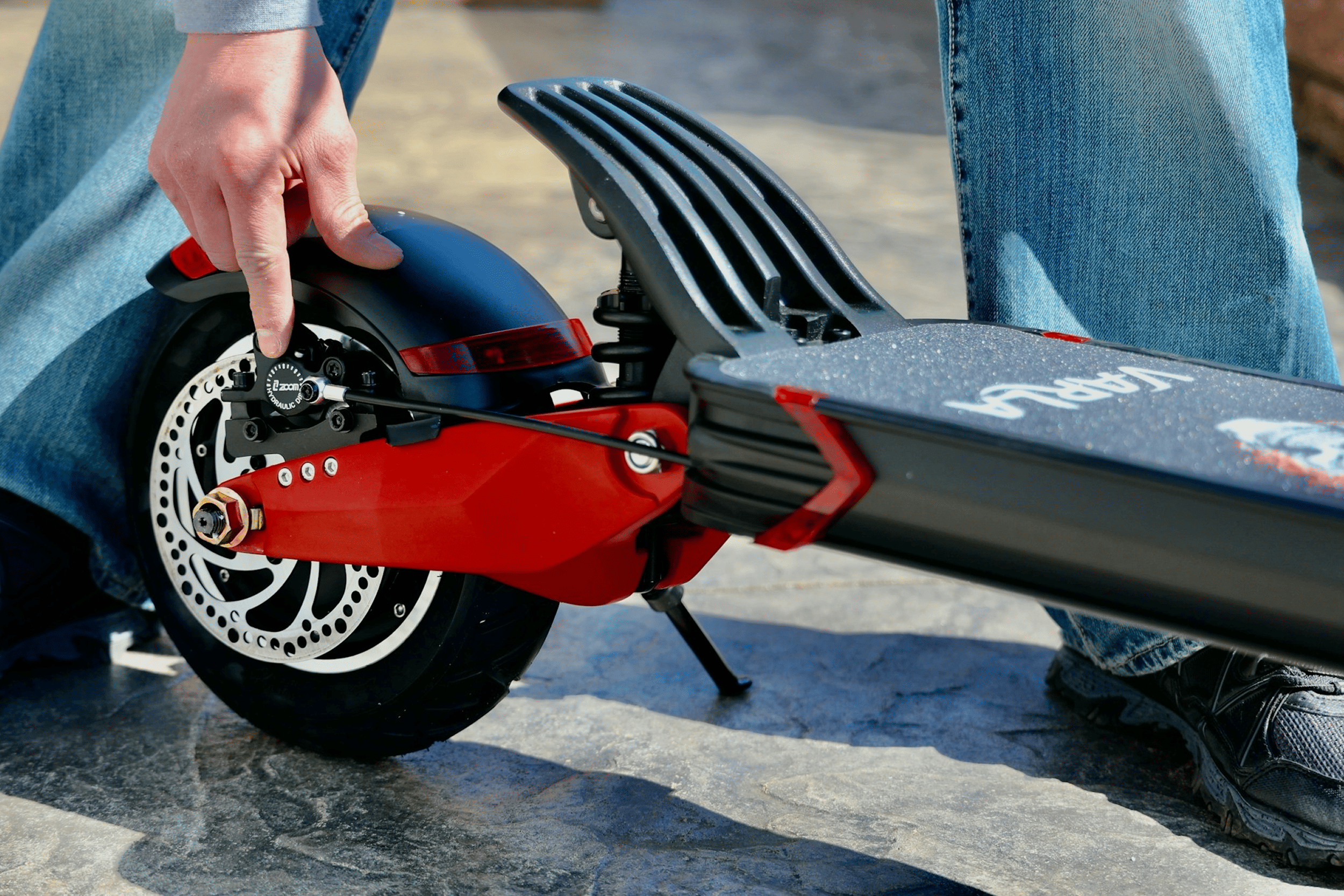
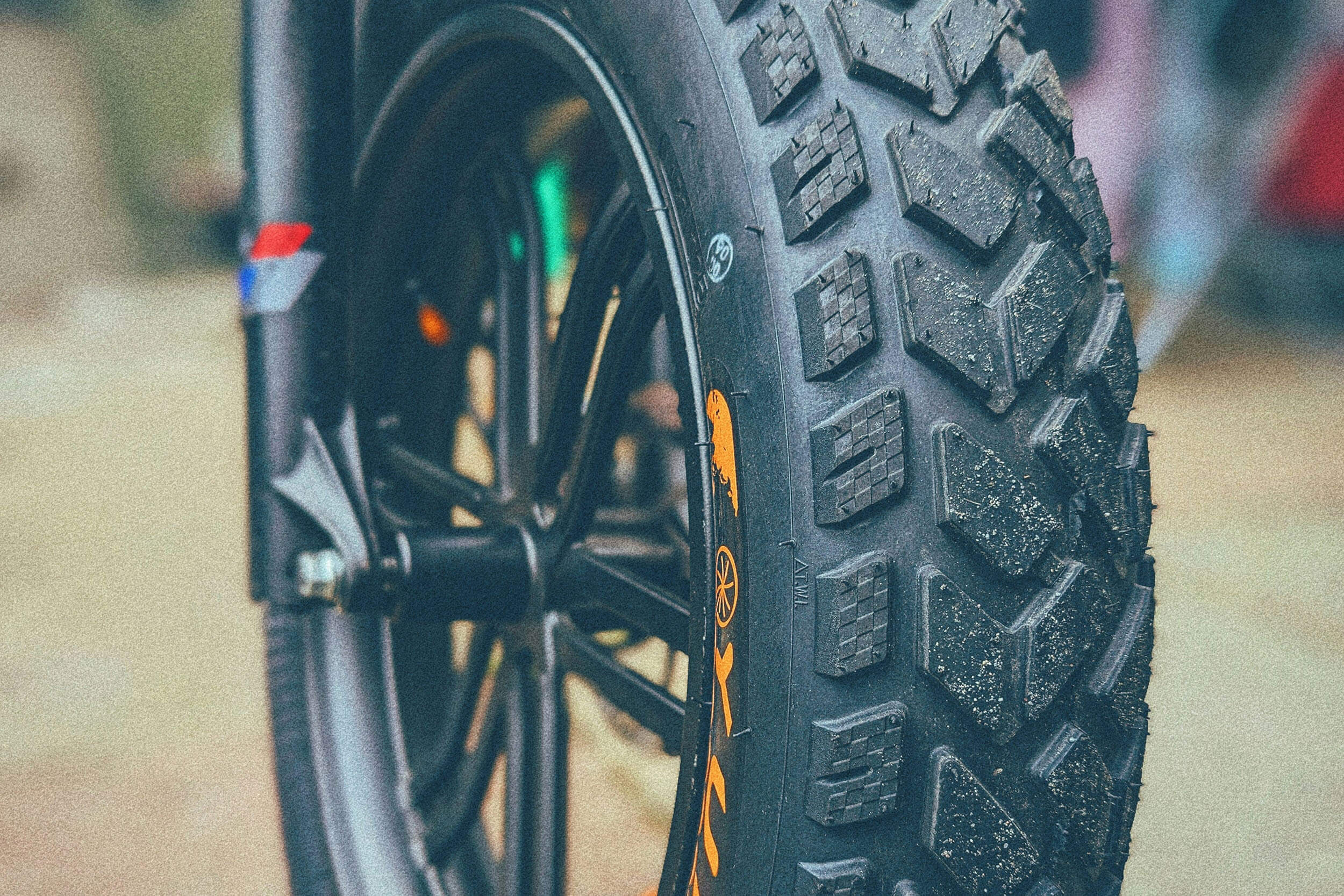
Scooters with larger, air-filled tires and some kind of suspension system are worth the investment. So are wider decks, ergonomic handlebars, and responsive brakes. Think of it this way: every small improvement in comfort helps you stay on the road longer and with more focus.
And yes—weather matters too. A water-resistant model will keep you moving even when the forecast turns ugly.
Speed Isn’t Always the Priority
It’s tempting to go for the fastest scooter you can afford, but in delivery work, speed isn’t everything. In many cities, there are legal speed limits for personal e-scooters—often around 20 km/h. Going faster may not even save time once you factor in traffic, red lights, and GPS stops.
Instead of chasing top speed, focus on torque and acceleration—especially if you’re riding up hills or carrying a heavy load. A scooter that accelerates smoothly and maintains speed under pressure will perform better in real-world delivery conditions than one with flashy specs and poor motor control.
Storage, Charging, and Daily Workflow
Delivery work doesn’t end when the shift is over. You’ll need a secure place to store your scooter, a convenient place to charge it, and a plan for quick maintenance when something goes wrong.
That’s where second-hand platforms like Scootshop really shine. Our listings are verified, our battery rebuilds are trusted, and our community helps riders find tips, support, and even repair options.
For many gig workers, the ideal setup includes:
- A lightweight, portable charger to carry between jobs.
- A spare charger at home or work.
- A foldable scooter for easier storage and transport (especially in shared housing or small apartments).
These aren’t just accessories—they’re what keep your day moving.
Affordability and ROI
If you’re using your scooter to earn income, then it’s more than a vehicle—it’s an investment. And every investment has a return.
New, top-tier scooters can cost over $1,000. For many riders, that’s a barrier to entry. That’s why the second-hand market is essential: you can get a well-maintained, powerful scooter for half the price, especially if it’s been inspected and fitted with a rebuilt battery.
At Scootshop, we believe delivery riders should never have to choose between quality and affordability. We connect workers to tools that deliver on both fronts.
Conclusion
Delivery riders are the unsung heroes of modern urban life. They keep meals hot, essentials moving, and cities connected. And in a fast-paced, high-pressure job, their equipment needs to be more than good—it needs to be dependable.
A solid electric scooter can be a delivery rider’s best partner. But that scooter doesn’t have to be brand new or unaffordable. It just needs to be chosen with care, maintained with knowledge, and supported by a platform that values longevity.
At Scootshop, we’re proud to support riders doing real work with rebuilt power—one delivery, one battery, one ride at a time.