E-Scooters as a Urban Commute Option
November 1, 2025
How Cities Are Adapting to the Scooter Revolution
December 1, 2025
The Real Cost of E-Scooter Ownership (And How to Save on Every Ride)
When people think about owning an electric scooter, their focus often lands on the purchase price. It’s the number that flashes on the product page or the price tag at the store. But the real cost of e-scooter ownership goes far beyond that initial amount.
Just like any mode of transportation, e-scooters come with ongoing expenses. From maintenance and repairs to accessories and upgrades, the true investment unfolds over time. That said, when managed wisely, owning a scooter can be one of the most affordable and sustainable ways to move around the city.
In this article, we break down the actual costs associated with owning an electric scooter—and how platforms like Scootshop can help you save at every step, especially if you’re open to going second-hand.
The Initial Investment: New vs. Used
Let’s begin with what most people consider the “main” cost—buying the scooter itself.
Brand-new scooters can range from $400 to over $2,000 depending on features, range, brand reputation, and build quality. For many riders, this upfront cost is the biggest barrier.
But second-hand options, like those offered through Scootshop, often cost 30–60% less. And because they’re inspected, tested, and in many cases rebuilt, you’re not sacrificing quality—you’re just skipping the depreciation.
Buying used doesn’t mean settling. It means choosing smart.
Battery Lifespan and Replacement
The battery is the heart of your scooter—and usually the most expensive component to replace. Over time, battery capacity declines, especially if you regularly ride long distances or charge improperly.
A full battery replacement from the manufacturer can cost between $200 and $600, depending on the model. That’s a significant hit, especially if your scooter itself cost less than $800.
The better option? Battery rebuilding. At Scootshop, we offer rebuilt battery services that replace only the degraded cells inside your battery, preserving the casing and working components. The result is nearly the same performance at a fraction of the cost—and far less environmental impact.
With proper care and the option to rebuild rather than replace, you can extend your battery’s life by years and keep total costs down.
Maintenance, Repairs, and Wear-and-Tear
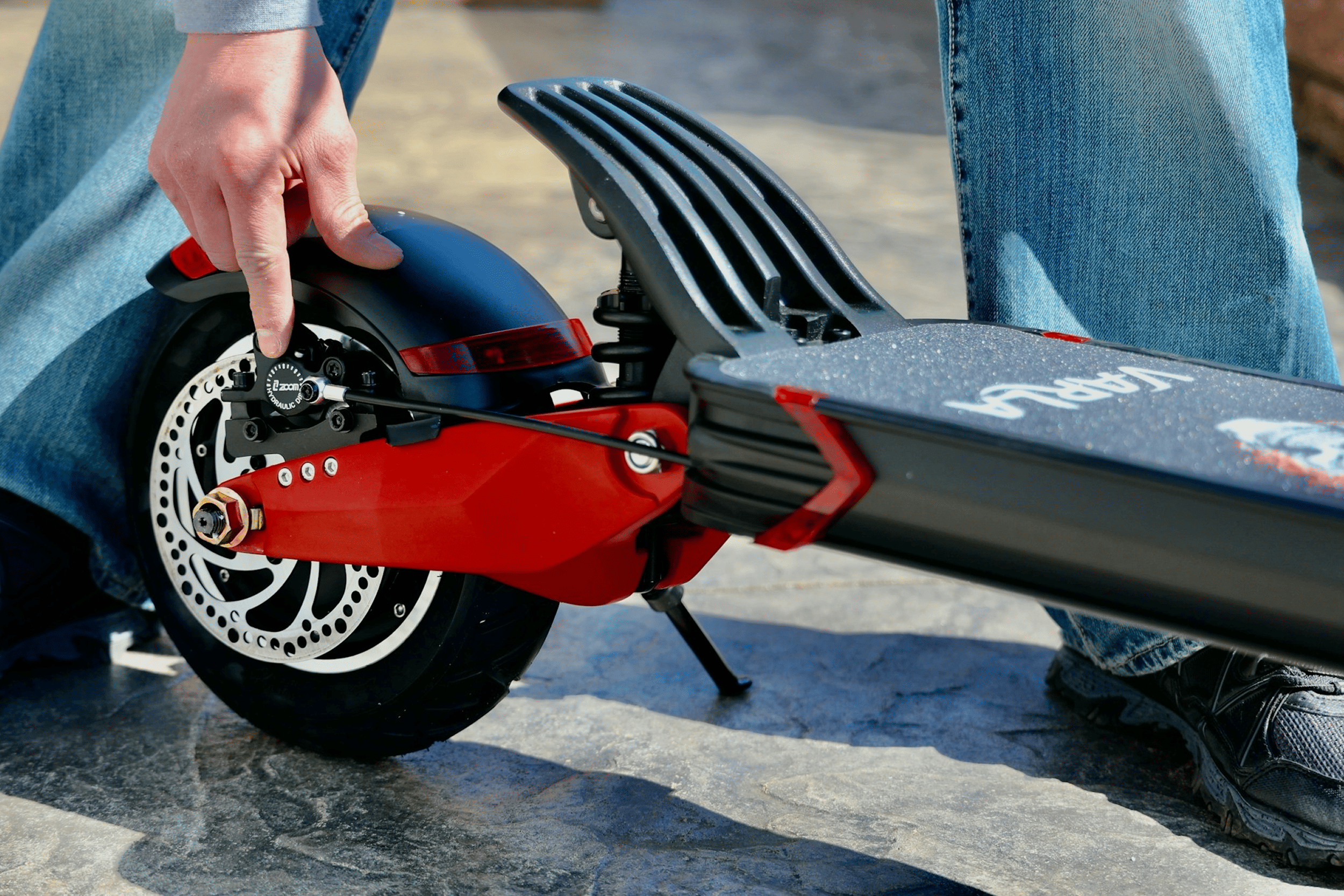
Just like bikes and cars, scooters need periodic maintenance. Brakes wear out. Tires lose air. Folding mechanisms get loose. You’ll likely spend anywhere from $50 to $150 per year on upkeep—more if you’re riding daily or using your scooter for delivery work.
What helps? Having access to affordable spare parts and reliable service.
One of Scootshop’s key strengths is that we connect you to maintenance resources tailored for second-hand models. Whether it’s a brake cable, a new tire, or help with firmware updates, our network supports the real-world needs of everyday riders.
Regular maintenance also helps prevent small problems from becoming expensive repairs. A $20 brake adjustment today could save you a $100 rotor replacement next month.
Accessories and Gear
Not all costs are hidden—some are optional but important. If you want a comfortable and safe ride, you’ll want to invest in:
- A reliable helmet
- Front and rear lights (if not included)
- A lock for parking in public
- A phone mount or app-based dashboard
- Possibly a carrying case or foldable handle
These extras can add another $50 to $200 to your total ownership cost. But the good news is that most are one-time purchases. Even better: many used scooters already come with accessories included in the sale, especially through Scootshop’s resale listings.
Charging Costs
One of the biggest financial advantages of electric scooters is how little they cost to charge. Most full charges cost less than $0.25 on a standard home outlet.
If you ride frequently and charge daily, your monthly electricity cost still stays under $10 in most regions. Compare that with fuel, transit passes, or ride-share expenses, and the savings are obvious.
Depreciation (or Lack Thereof)
With cars, depreciation can be brutal. New vehicles lose a large chunk of their value the moment they’re driven off the lot. With scooters—especially used ones—depreciation is slower and less painful.
If you buy second-hand and maintain your scooter well, you may be able to resell it later for a minimal loss—or even at a break-even point, especially if it has a freshly rebuilt battery or recent upgrades.
That kind of resale potential makes e-scooters unique among personal transport options. They’re not just affordable—they’re asset-light.
The Scootshop Advantage
When you choose Scootshop, you’re not just buying a product—you’re entering a community built around smart, sustainable ownership. Our listings are verified. Our batteries are rebuilt by experts. Our sellers are vetted. And our platform is designed to make it easier for you to buy, maintain, and eventually sell your scooter when the time comes.
We also provide educational resources, access to service providers, and a support system for making sure you get the most value out of every ride.
Conclusion
Owning an electric scooter is one of the most cost-effective ways to navigate modern cities—but only if you understand the full picture.
By planning for ongoing costs, choosing rebuilt options, and using trusted resale platforms like Scootshop, you can dramatically reduce your long-term expenses. You’ll spend less, ride longer, and support a more sustainable model of urban mobility.
So before you click “Buy Now” on that new scooter, take a closer look at what second-hand can offer. The savings might just surprise you.