The Real Cost of E-Scooter Ownership
November 15, 2025
The Lifecycle of an E-Scooter
December 15, 2025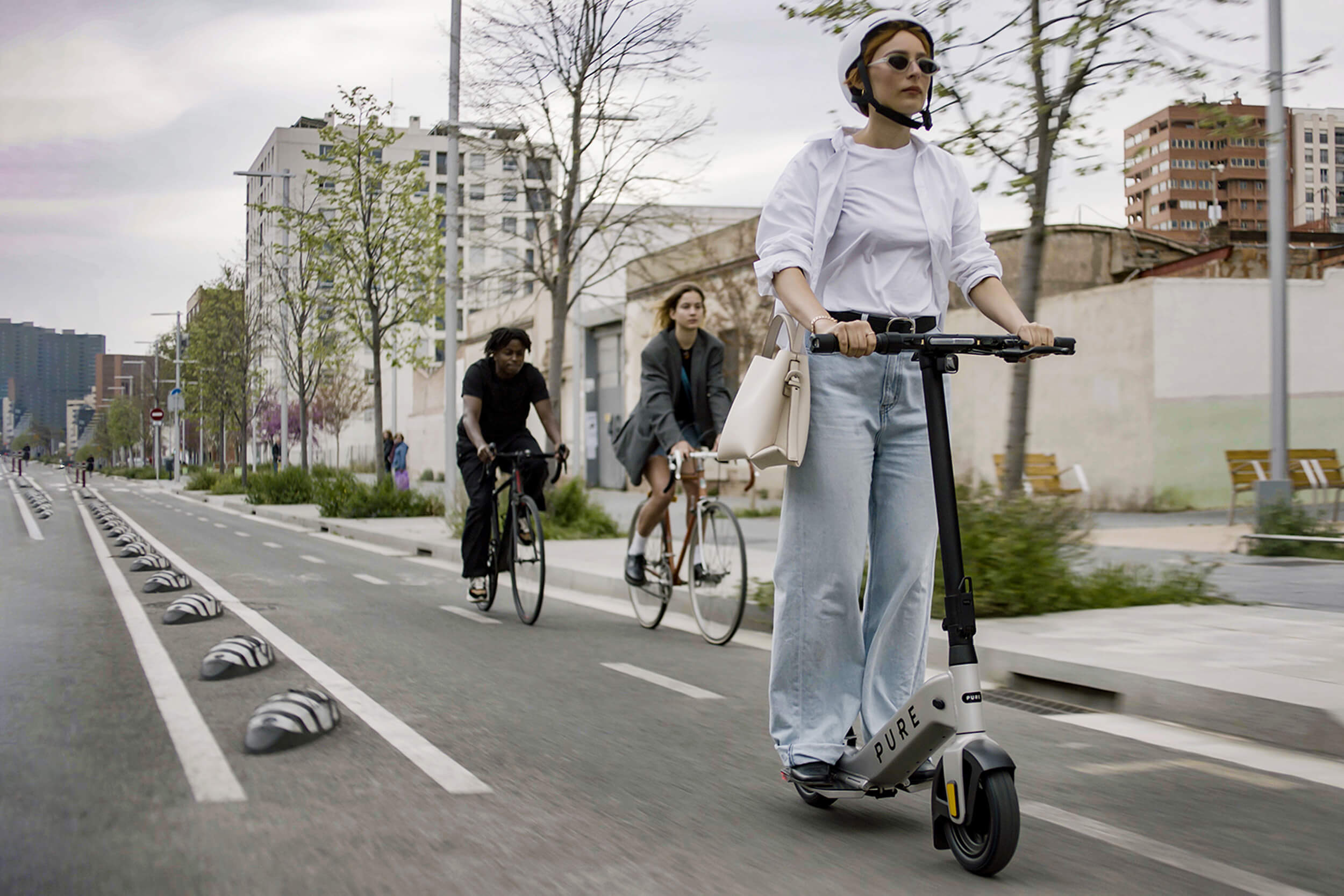
Micromobility Meets Infrastructure: How Cities Are Adapting to the Scooter Revolution
A quiet revolution is unfolding on city streets. It doesn’t roar like a car or command as much space as a bus, but it’s changing how people move through urban spaces: the rise of electric scooters and other micromobility vehicles.
As more people embrace e-scooters for commuting, delivery, and recreation, cities are being forced to adapt. What once seemed like a fringe mode of transport has become a daily reality—and one that urban infrastructure wasn’t originally designed for.
From parking policies to protected lanes, municipalities across the globe are catching up to the scooter surge. The transformation is not just physical; it reflects a deeper shift in how we view transportation, public space, and the design of future cities.
The Growing Presence of E-Scooters
A few years ago, spotting an e-scooter on your block felt novel. Today, it’s routine. E-scooters have become an everyday sight in cities like San Francisco, Berlin, Paris, Toronto, and beyond. And they’re not just rental fleets anymore. Privately owned scooters—especially those bought second-hand or refurbished—are steadily rising.
This growth has outpaced policy in many places. Sidewalks, bike lanes, and roads weren’t designed with small electric vehicles in mind. As a result, riders often face unclear rules, patchy infrastructure, and occasional backlash from pedestrians or drivers.
But cities are responding. Slowly, yes—but increasingly thoughtfully.
Infrastructure is Evolving
In the last few years, municipalities have started taking meaningful steps to accommodate micromobility:
- Dedicated scooter and bike lanes are appearing more frequently, often separated from car traffic and pedestrian walkways.
- Slow zones and shared streets are being designed with lower speed limits to reduce conflict between scooters, cyclists, and pedestrians.
- Parking solutions like scooter corrals and designated curb areas are replacing the previous free-for-all system of sidewalk parking.
In places like Copenhagen and Barcelona, micromobility has been integrated into long-term urban planning. These cities view e-scooters not as nuisances, but as vital components of a balanced transportation network.
The message is clear: if cities want fewer cars and cleaner air, they need to make space for smaller, greener rides.
Regulation and Responsibility
With new lanes and parking zones come new regulations—and new responsibilities for riders and sellers alike.
Cities are drafting policies to manage speed limits, enforce helmet use, and designate where scooters can and cannot be used. This is especially important in densely populated areas zwhere safety concerns are amplified.
For riders, understanding local laws is essential. For sellers, like Scootshop, it’s about supporting responsible use. That means educating users on safety practices, encouraging maintenance, and promoting quality scooters that won’t pose hazards due to faulty brakes or poor construction.
By building a community around smart riding—not just sales—Scootshop is helping to shape the behavior that makes shared infrastructure work.
The Role of Public-Private Partnerships
To keep up with the pace of change, cities are increasingly turning to public-private partnerships. These collaborations allow urban planners to work directly with scooter companies, data analysts, and community stakeholders to design better mobility systems.
Shared data plays a big role. By analyzing routes, congestion patterns, and parking behaviors, cities can make more informed infrastructure investments. This benefits everyone—not just scooter riders, but cyclists, pedestrians, and even drivers.
At Scootshop, while we don’t operate a fleet, we contribute to this dialogue by empowering private scooter owners. By giving access to affordable, refurbished scooters, we reduce the pressure on public fleets and encourage longer-term ownership—something that generally leads to more careful and respectful riding.
Accessibility and Equity
One of the major promises of micromobility is accessibility. E-scooters can serve neighborhoods that are underserved by transit. They can offer affordable alternatives for people who can’t afford a car—or who don’t want one.
But this only works if cities design with equity in mind. That means ensuring micromobility lanes reach all communities, not just downtown corridors. It means offering charging stations in outer neighborhoods and safe storage in dense housing zones.
As a resale platform, Scootshop plays a role in expanding access. Not everyone can buy a $1,000 scooter brand-new—but many can afford a well-maintained second-hand one. By keeping prices low and quality high, we help make urban mobility more inclusive.
What Comes Next
The future of micromobility infrastructure isn’t just about paint on roads. It’s about integration.
We’ll see more multi-modal transit hubs, where riders can park scooters and board trains. We’ll see charging stations next to bike racks and smart traffic signals that respond to scooter movement. Urban space will become more dynamic, more responsive, and—ideally—more equitable.
But most importantly, we’ll see cities evolve from car-first to people-first.
That transition won’t be perfect. There will be debates, missteps, and growing pains. But if scooters are part of the solution—and we believe they are—then building better infrastructure for them is a step toward smarter, greener, more livable cities.
Conclusion
Micromobility has already changed how people move. Now, it’s changing the cities themselves.
E-scooters are no longer temporary guests—they’re permanent residents in the transportation mix. And the infrastructure being built today will define how welcoming that future feels.
At Scootshop, we’re proud to support riders navigating these evolving landscapes—with quality scooters, rebuilt batteries, and the belief that every small ride is part of something much bigger.