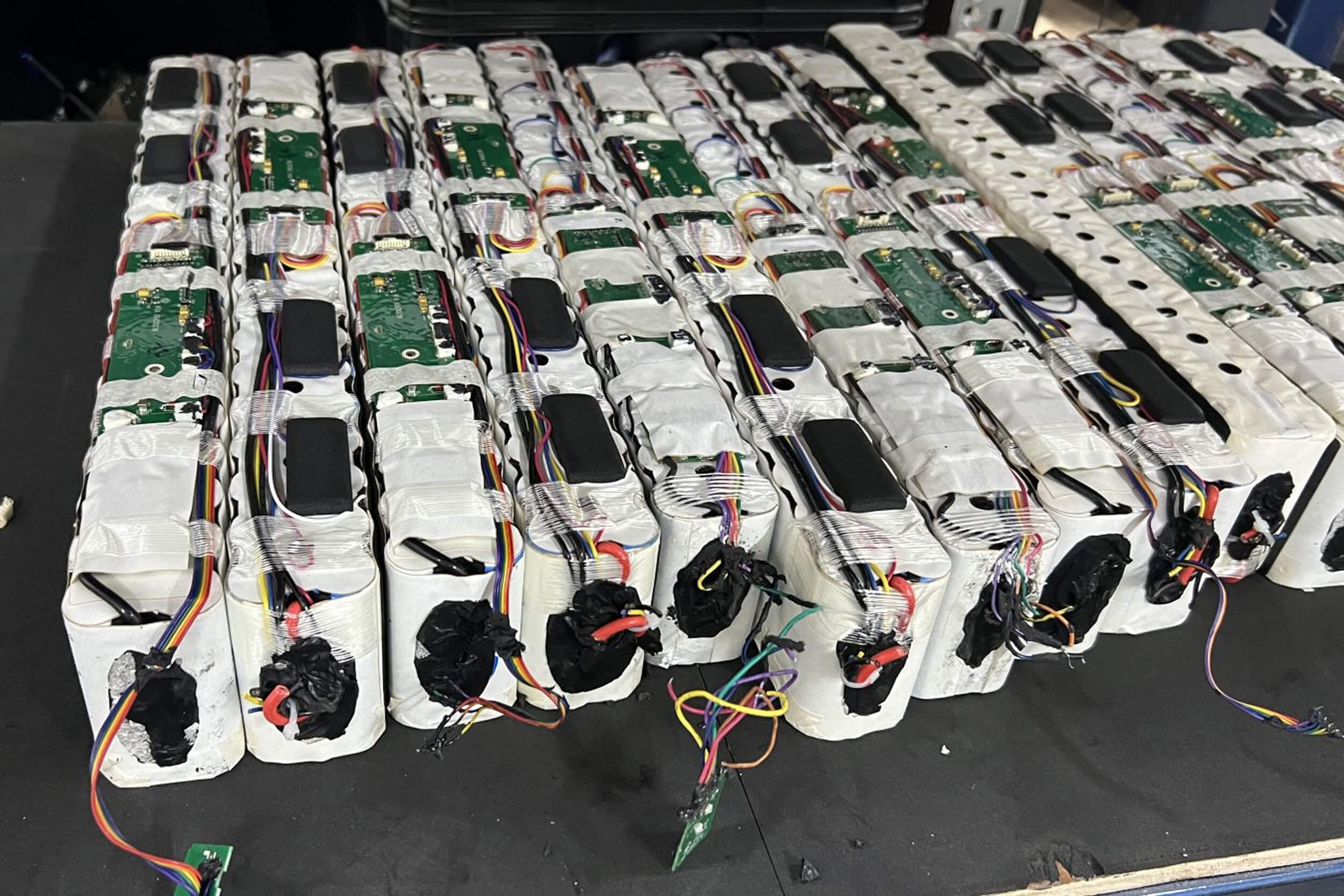
What Happens to Old Scooter Batteries
February 2, 2026
E-Scooters for Delivery Work: What Riders Need to Know
March 6, 2026
Beyond the Ride: How Scooter Repairs Empower Urban Riders
Hat freedom comes to a screeching halt—because of a flat tire, a weak brake, or a flickering display?
Repairs aren’t the most glamorous part of micromobility, but they’re essential. If e-scooters are going to become a long-term transportation solution, they can’t be treated like throwaway tech. They have to be maintained, fixed, and restored.
And here’s the thing: learning how to repair your scooter—or knowing someone who can—isn’t just a technical skill. It’s a form of empowerment. It gives riders more control, lowers ownership costs, and helps build a more sustainable city.
At Scootshop, we see repairs not as problems to avoid, but as opportunities to extend value and deepen connection between rider and ride. Let’s explore how scooter repair culture is quietly revolutionizing urban mobility.
The Problem with Disposable Thinking
One of the biggest issues in personal electronics—scooters included—is the mindset that once something breaks, it’s time to replace it. This mindset is convenient for manufacturers but costly for users and catastrophic for the planet.
Many riders hesitate to repair their scooters because they’ve been conditioned to believe that it’s too hard, too expensive, or not worth it. Some have been told that parts aren’t available or that doing it yourself voids the warranty. The industry hasn’t done a great job of making repairs accessible or attractive.
But things are changing. As scooters become more common, riders are demanding better access to support, tutorials, spare parts, and local technicians. And at the same time, the second-hand scooter economy—led by platforms like Scootshop—is pushing for a different approach: one where repairs are not a burden but a default part of the ownership experience.
Repair as a Path to Ownership Confidence
When you’re a first-time scooter owner, it’s easy to feel intimidated by the idea of fixing anything. But the truth is, many scooter repairs are surprisingly straightforward.
Replacing a tire tube. Adjusting a brake lever. Reattaching a loose throttle cable. These tasks might seem technical, but with the right resources and a bit of curiosity, they’re entirely doable—even for beginners.
Every successful repair builds confidence. It shifts the rider’s mindset from dependent to independent. Instead of worrying every time something feels off, you begin to trust your ability to assess and solve issues.
That’s more than just practical—it’s psychological. It changes how people interact with the machines they use every day.
Reducing Cost, Extending Lifespan
For budget-conscious riders, repairs can be the difference between owning a scooter and giving up on one.
Let’s say you buy a used e-scooter through Scootshop. After a few months, the rear brake starts to lose tension. A mechanic might charge $80–$100 to fix it. But a brake cable costs less than $10, and adjusting it can take under 15 minutes with a basic toolkit.
Now multiply that logic over the lifespan of the scooter. Tires, grips, brake pads, batteries—every part that can be replaced instead of discarded adds another chapter to your scooter’s story. That’s not just good economics. That’s sustainability in action.
Scooters shouldn’t be disposable after two or three minor issues. With care and occasional repair, they can last for years—and serve multiple owners along the way.
Building a Community of Fixers
Repair culture doesn’t exist in isolation. It’s built by communities—riders who share knowledge, shops that offer affordable services, and platforms that support DIY fixes.
At Scootshop, we’re working to grow that ecosystem. From publishing basic maintenance guides to working with trusted repair providers, we’re helping people find the tools they need to keep their scooters on the road—not in the closet or the landfill.
There’s something deeply satisfying about learning how your machine works. Not everyone needs to be a scooter mechanic, but the more people who can make small repairs, the healthier and more resilient our cities become.
Imagine a future where scooters are treated like bikes: fixed, tuned, passed along, and kept in motion. That’s the world we’re working toward.
A New Standard for Ownership
Scooters used to be a novelty. Now they’re part of daily life in cities around the world. As that shift continues, the standard for ownership is evolving.
It’s no longer enough to think in terms of quick use and quick replacement. Smart riders want long-term performance. They want affordability without sacrificing reliability. And they want the peace of mind that comes from knowing they’re not stuck when something breaks.
Repairs offer all of that—and more.
They allow scooters to stay in service longer, support a local economy of tinkerers and technicians, and reduce the environmental toll of constant replacement. More than that, they reconnect people with the things they own.
When you fix something yourself, you ride it differently. You ride with care, attention, and maybe even a little pride.
Conclusion
The future of urban transport doesn’t just ride on batteries and motors. It rides on a culture that values repair over replacement, care over consumption, and empowerment over dependency.
At Scootshop, we believe repairs are a vital piece of sustainable micromobility. That’s why we support riders through second-hand sales, battery rebuilding, and ongoing education about maintenance and care.
So the next time your scooter starts acting up, don’t panic. Don’t toss it. Grab a wrench—or find someone who can. Because every fix is one more ride, one less waste, and one small revolution on two wheels.