Why Second-Hand E-Scooters Are Key to a Circular Economy
January 1, 2026
What Happens to Old Scooter Batteries
February 2, 2026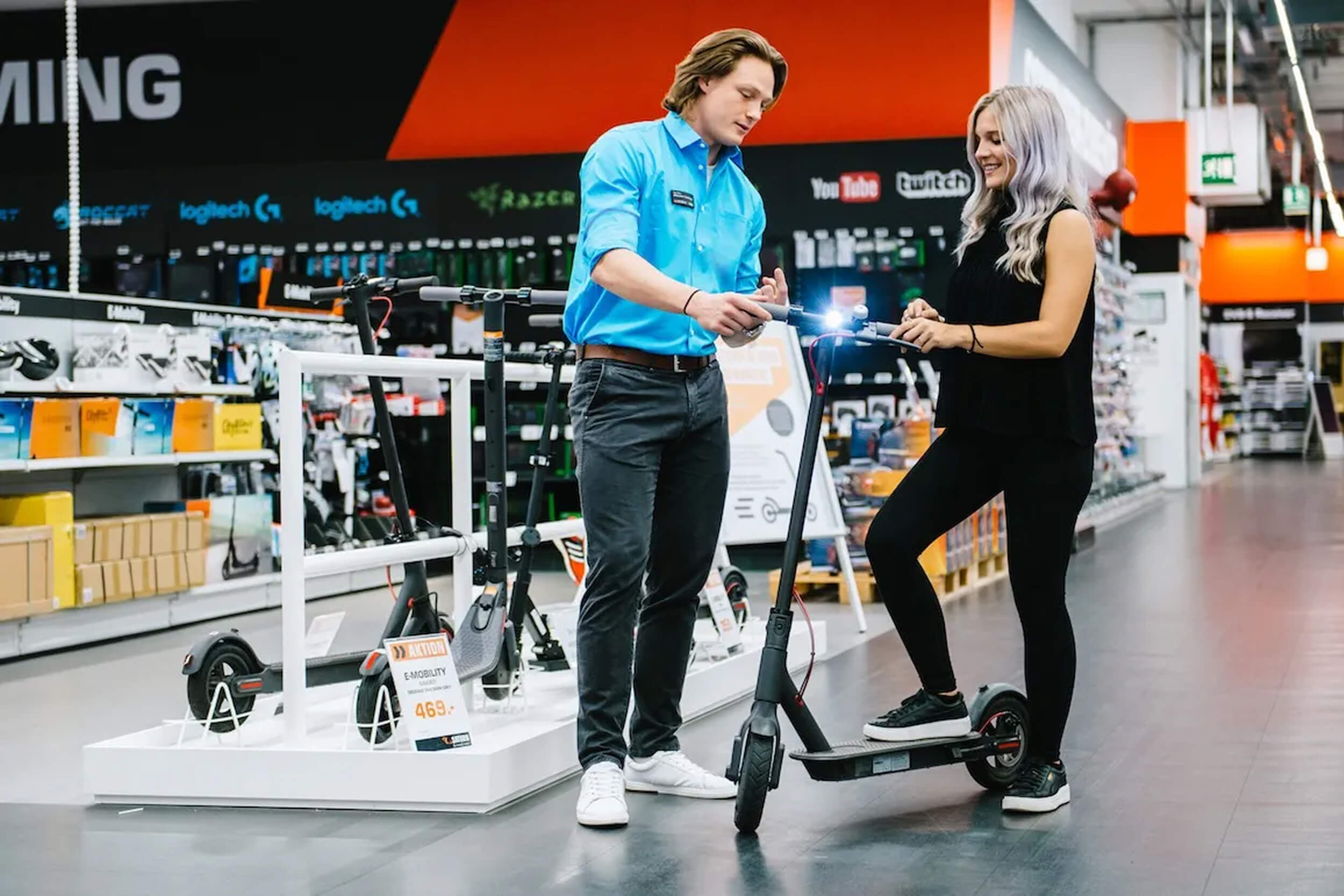
First-Time Buyer? Here’s What to Know Before You Get an E-Scooter
Electric scooters are no longer a fringe option for mobility—they’ve gone mainstream. Whether you live in a bustling city or a smaller urban center, chances are you’ve seen people zipping around on e-scooters. Their appeal is easy to understand: they’re compact, eco-friendly, efficient, and increasingly affordable.
But if you’ve never owned one before, diving into the world of e-scooters can feel a bit overwhelming. With so many options, features, and technical specifications out there, it’s easy to get lost in the noise—especially when you’re buying your first ride.
At Scootshop, we regularly connect first-time buyers with second-hand scooters, helping them find models that fit their budget, lifestyle, and expectations. Based on what we’ve learned from thousands of successful sales, this article is designed to give new riders a better foundation—so they don’t just buy an e-scooter, they buy the right one.
It Starts with Your Purpose
Before you even start comparing specs or prices, the first question you should answer is: What do you need the scooter for?
Are you commuting to work every day? Using it for short errands? Riding for fun on weekends? Maybe you’re a delivery worker who’ll be on the scooter for hours a day.
Each of these use cases suggests a different ideal setup. A daily commuter needs good range and durability. A recreational rider might prefer something lightweight and portable. A delivery rider will need power, long battery life, and stronger tires.
By identifying your main purpose early, you filter out the models that won’t serve you well. That’s how smart purchases begin.
Range Isn’t Just About Distance
One of the most hyped specs on any e-scooter is range—the distance it can travel on a single charge. But here’s the secret many manufacturers won’t tell you: real-world range is often lower than the advertised number.
That’s because range depends on many variables: rider weight, terrain, speed, temperature, and how well the battery is maintained.
If the listing says “30 km range,” you might get 20 to 25 in daily use—and even less if you’re on hilly terrain or riding aggressively.
This is why range is important, but not the only factor. Consider your commute distance, but also think about charging convenience. Can you recharge at work or home? Do you need multiple rides per charge? A slightly lower range is manageable if charging is easy.
Speed Isn’t Everything
While some scooters promise top speeds of 25–30 km/h or more, remember that most cities have limits for personal e-scooters. In many places, legal speed caps hover around 20 km/h.
Fast scooters are fun, no doubt—but they also require more braking power, sturdier tires, and higher skill levels to control safely.
For first-time buyers, it’s better to prioritize stability and braking over speed. Once you’re more experienced and confident, you’ll know whether you truly need a faster ride—or if comfort and control matter more.
Pay Attention to Tires and Suspension
One area that’s often overlooked is ride comfort. It’s easy to get excited about speed and battery size, but if your scooter has tiny, solid tires and no suspension, every bump and crack in the road will rattle your wrists.
Pneumatic (air-filled) tires and some form of suspension make a huge difference, especially for longer rides or older roads. If your city has rough pavement or curb-heavy sidewalks, investing in comfort isn’t a luxury—it’s a necessity.
Think About Weight and Portability
If you plan to bring your scooter into your apartment, carry it on transit, or lift it into your car, don’t ignore the weight.
Some high-performance scooters can weigh 25–30 kg, which is a serious load if you’re climbing stairs or taking public transport.
Lighter models are easier to store and carry but may sacrifice range, speed, or comfort. Again, your lifestyle should guide the trade-off.
Battery Health Matters—Especially Second-Hand
When buying a used e-scooter, the battery is the most important component to assess. A worn-out battery means reduced range, slower speeds, and potential issues with charging.
At Scootshop, we test and rebuild batteries before resale. In some cases, only a few cells need replacement to restore performance. That means you get near-new function at a fraction of the cost—and with far less environmental impact than buying new.
Ask for a battery report or inspection if you’re buying second-hand from anywhere. A trustworthy seller will be happy to share that information.
Support, Repairs, and Real-World Durability
A flashy scooter with no spare parts available? Not worth it.
Make sure your scooter brand has accessible replacement parts and local support. Even basic wear items like brake pads and tires should be available for maintenance.
This is especially important for first-time buyers who may not be comfortable doing repairs themselves. Platforms like Scootshop can help connect you with service resources or even suggest models that are easy to maintain over time.
Conclusion
Buying your first e-scooter is an exciting moment. You’re not just picking out a gadget—you’re choosing a new way to move through your world. A way that’s lighter, cleaner, and more independent.
But as with any major purchase, a little preparation goes a long way. By understanding your needs, checking the right specs, and choosing a seller who supports sustainability and transparency, you’ll end up with a scooter you actually love riding.
At Scootshop, that’s exactly what we aim to deliver—smart, affordable, eco-conscious e-scooters for everyday riders who want to start their journey the right way.