How Cities Are Adapting to the Scooter Revolution
December 1, 2025
Why Second-Hand E-Scooters Are Key to a Circular Economy
January 1, 2026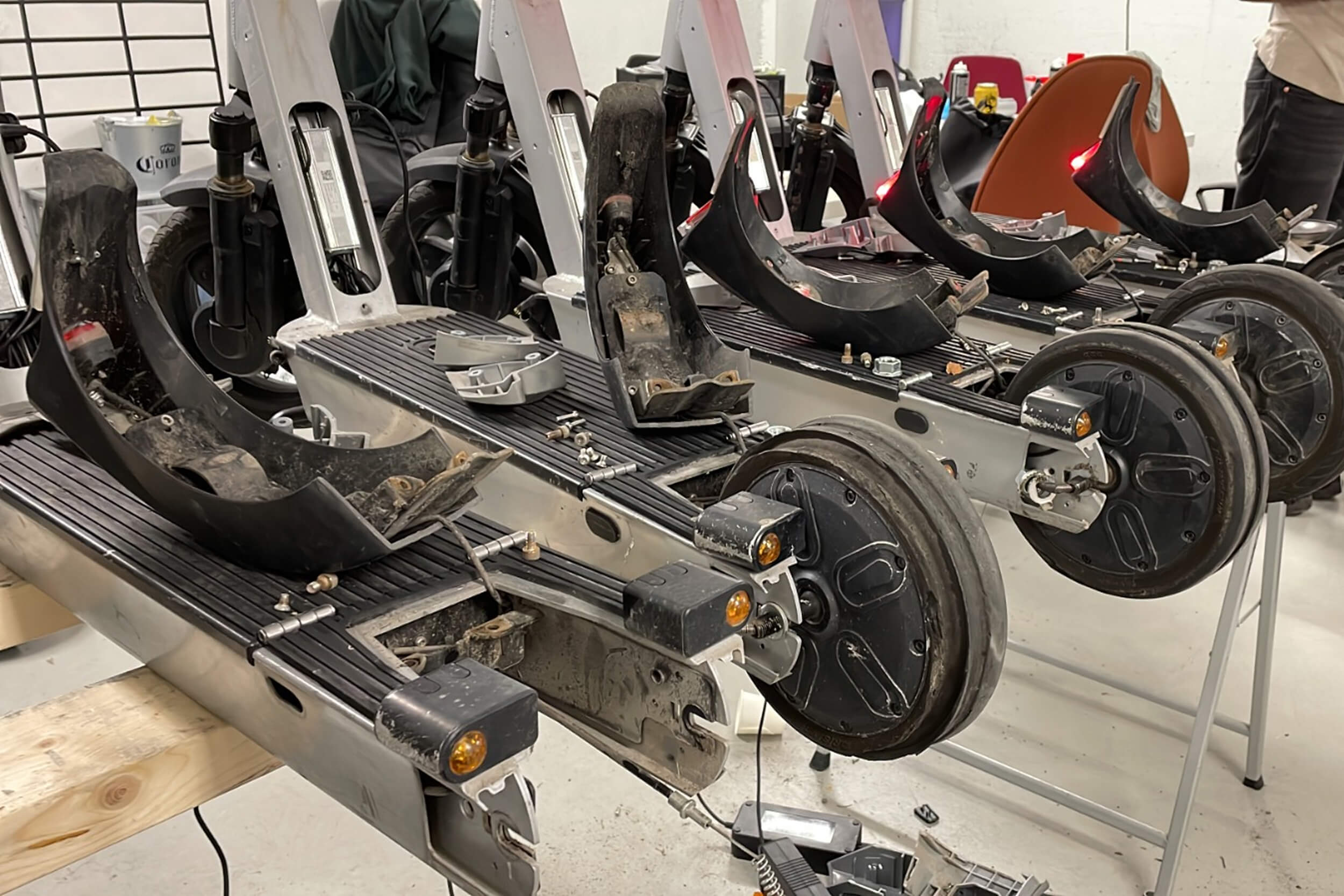
The Lifecycle of an E-Scooter: From Manufacturing to Second-Hand Marketplace
Every e-scooter you see on the street has a story—one that stretches far beyond the handlebars and wheels. From its birth in a manufacturing plant to the moment it changes hands on a second-hand platform like Scootshop, an electric scooter goes through a dynamic lifecycle.
Understanding this lifecycle isn’t just a technical curiosity. It’s a key part of being a responsible rider and a conscious consumer. When you understand how a scooter is made, used, maintained, and reused, you start to see the bigger picture: the environmental costs, the repair potential, and the value of reuse.
At Scootshop, we believe in telling the full story of every scooter—not just what it can do today, but what it’s already done, and what it still has left to offer. In this article, we’ll follow the e-scooter from creation to circulation, uncovering how each stage impacts sustainability, performance, and your role as a rider.
Stage 1: Manufacturing and Assembly
The lifecycle begins in a factory—often located in China or Southeast Asia—where raw materials are transformed into electric scooters.
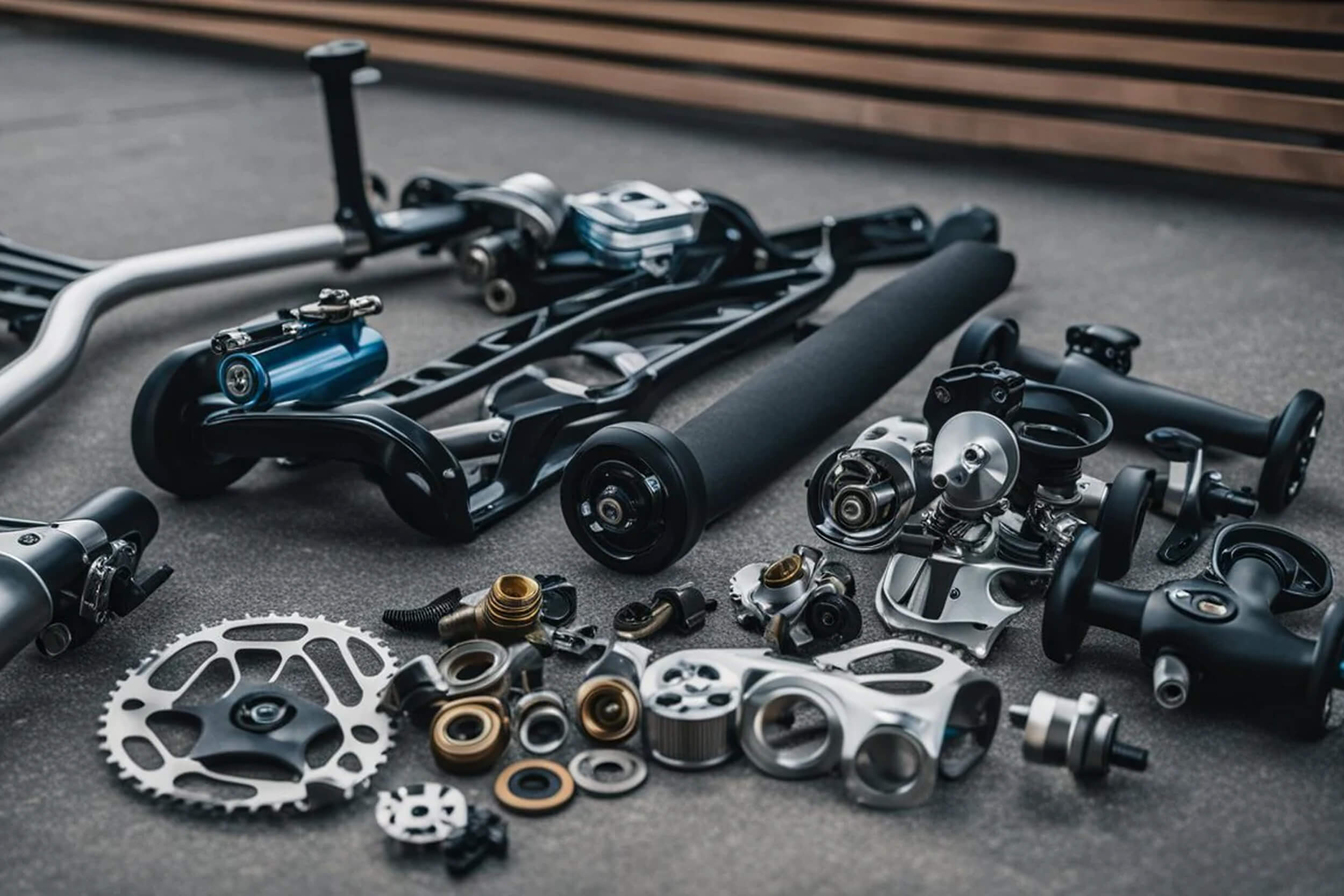
Key components include:
- The frame, typically made from aluminum alloy, which provides strength without adding excess weight.
- The motor, often housed in the wheel hub.
- The battery, a lithium-ion pack that powers the scooter.
- The controller and electronics, which manage acceleration, braking, lighting, and displays.
This stage is the most resource-intensive. Extracting lithium, cobalt, and aluminum requires energy and leaves a significant environmental footprint. Add to that the carbon cost of international shipping, and you have a scooter that, despite being zero-emission in use, starts life with a heavy backend of carbon.
That’s why keeping scooters in circulation longer is so crucial—it stretches the carbon cost over more years and kilometers, reducing its relative impact.
Stage 2: Retail and First Ownership
Once assembled, scooters are sold through retailers or online platforms and make their way to customers. The first owner often uses the scooter for commuting, leisure, or delivery work.
During this period, the scooter performs at its peak. The battery range is strong, components are fresh, and maintenance needs are minimal. But even in this honeymoon phase, how the scooter is used makes a big difference.
Proper charging habits, storage conditions, and riding practices will affect how long the battery lasts and how quickly the parts wear down. A careful first owner can preserve a scooter for years. An aggressive one might burn it out in months.
Stage 3: Wear and Decline
After several hundred charging cycles, most lithium-ion batteries begin to lose capacity. Ranges get shorter. Performance dips. Brakes and tires start to wear out. Display screens may fade or malfunction.
Many users abandon their scooters at this stage—not because they’re beyond repair, but because they don’t know repair is possible. This is where the e-scooter’s lifecycle often hits a crossroads.
In a linear economy, the scooter would be scrapped. But in a circular economy—like the one Scootshop champions—it gets a second chance.
Stage 4: Refurbishment and Rebuilding
Instead of ending up in a landfill, a used scooter can be refurbished. At Scootshop, this process begins with a full inspection:
- Is the frame intact?
- Is the battery rebuildable?
- Are electronic components still functional?
Scooters that pass inspection are brought back to life. Dead cells in the battery are replaced. Brake pads and tires are swapped. Wiring is checked. Components are cleaned and tested.
The result isn’t just a “used” scooter—it’s a renewed one. Something that performs like new, with a reduced environmental footprint and a much more affordable price tag.
Refurbishment keeps valuable materials in circulation, reduces demand for new production, and offers a more accessible path to ownership for people who can’t or don’t want to buy new.
Stage 5: Resale and Second Ownership
Once a scooter has been refurbished, it enters the second-hand marketplace. At Scootshop, this includes transparent listings, battery health reports, and vetted seller profiles to ensure trust.
For the new owner, it’s a win. They get a high-quality scooter for less—often with rebuilt components and a lower environmental cost. They also become part of the reuse economy, helping reduce e-waste and extend product lifecycles.
Some scooters even go through multiple owners, with each one treating the vehicle with care and respect. This is the ideal scenario for sustainability: long product lives, reduced demand for new manufacturing, and shared responsibility.
Stage 6: End of Life (And New Beginnings)
Eventually, every scooter will reach a point where it can’t be repaired affordably or safely. But even then, its components often still hold value.
- Motors can be harvested for parts.
- Batteries can be recycled for lithium and other materials.
- Frames and aluminum components can be melted down and reused.
At Scootshop, we work to ensure end-of-life scooters are properly disassembled and recycled, rather than abandoned or dumped. Our partnerships with recyclers and rebuilders ensure that even retired rides contribute to sustainability.
Conclusion
An e-scooter’s story doesn’t end when it slows down. In fact, that’s often when a new chapter begins.
From raw materials to second chances, every phase of a scooter’s life presents both challenges and opportunities. As riders, sellers, and stewards of urban transport, we have the power to make that story as long, useful, and sustainable as possible.
Scootshop exists to extend those stories—by giving old scooters new riders, by rebuilding what others discard, and by helping urban mobility evolve one ride at a time.