First-Time Buyer? Here’s What to Know Before You Get an E-Scooter
January 29, 2026
Beyond the Ride: How Scooter Repairs Empower Urban Riders
February 15, 2026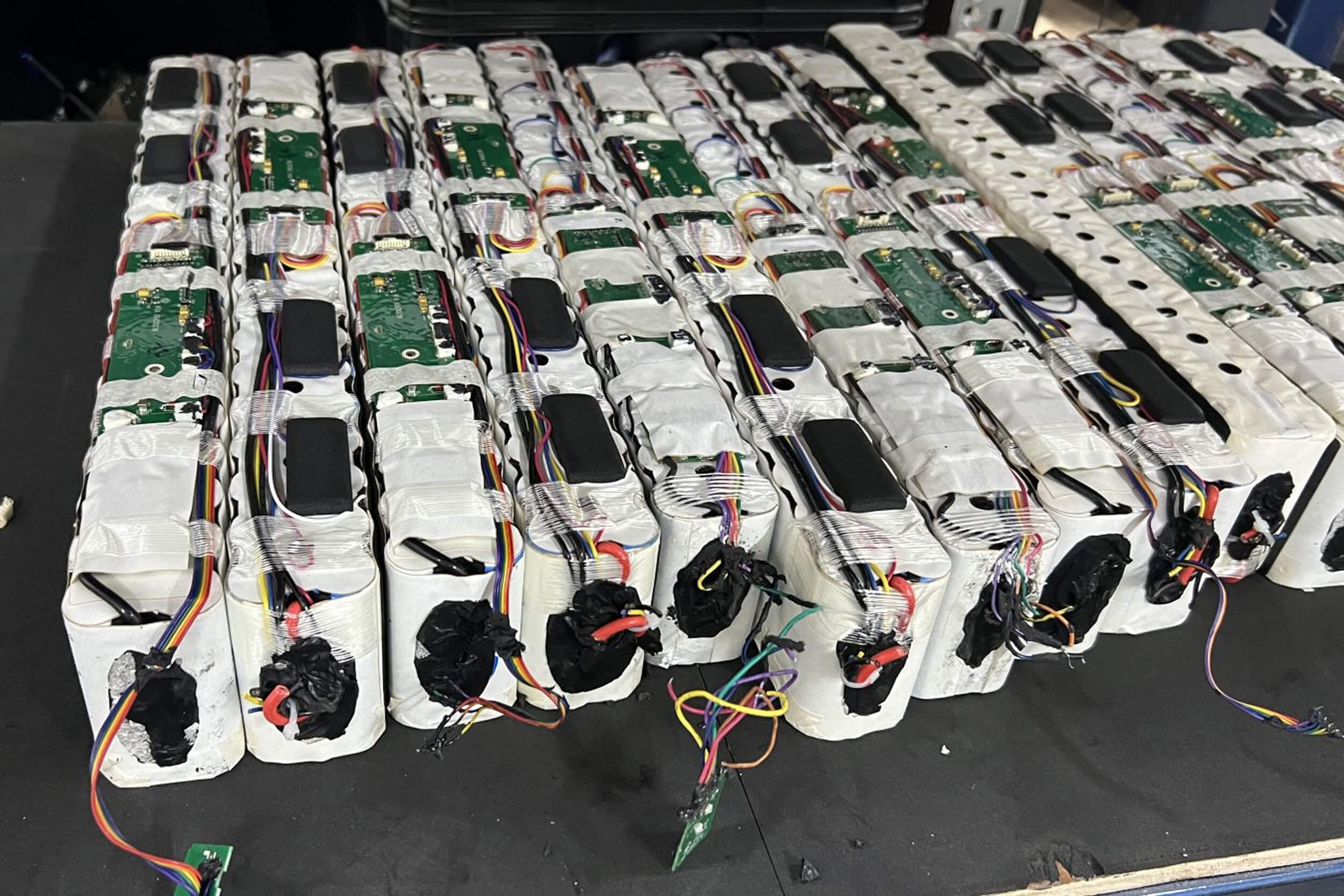
If you own or have ever used an electric scooter, you know how central the battery is. It’s the power source, the lifeline, and—when it begins to degrade—the first part that limits your freedom. But what happens when a scooter battery ages? Where does it go? And more importantly, could it have been saved?
The lifecycle of a lithium-ion battery doesn’t end the moment its range decreases. In fact, most “dead” batteries still have life left in them—they just need care, testing, and in many cases, a few fresh cells. The idea that every battery has only one lifespan is not only wrong—it’s wasteful.
At Scootshop, we don’t just sell scooters. We also work to preserve and rebuild their core components, especially batteries. This article explores what really happens to old scooter batteries, why battery rebuilding matters, and how it’s changing the future of micromobility.
Battery Aging: More Gradual Than You Think
All lithium-ion batteries age. The chemistry inside them slowly breaks down with each charge cycle. Most scooter batteries go through hundreds of cycles before performance drops significantly.
But here’s the key: even when a battery can’t deliver the same range it once did, that doesn’t mean it’s ready for the landfill. In fact, many underperforming batteries fail because of a few weak cells—not the whole pack.
Unfortunately, most manufacturers don’t want users thinking this way. They design batteries to be replaced, not repaired. And many consumers, unaware of the alternatives, end up throwing away a unit that could have been revived.
The Environmental Cost of Discarding Batteries
Discarding a battery prematurely has consequences far beyond the inconvenience of buying a new one. Manufacturing lithium-ion batteries is resource-heavy. Extracting lithium, cobalt, and nickel uses massive amounts of water and energy and often involves controversial labor practices in mining regions.
When batteries are discarded instead of rebuilt, those raw materials go to waste. Worse, improperly disposed batteries can leak chemicals into soil and water, causing long-term environmental damage.
This is why battery rebuilding is such a crucial intervention. By giving a battery a second life, we conserve raw materials, reduce toxic waste, and dramatically cut down on the environmental cost of micromobility.
What Rebuilding Actually Looks Like
Battery rebuilding isn’t about reviving something hopeless—it’s about diagnosing and repairing what’s still usable.
At Scootshop, battery rebuilds begin with a diagnostic process. The battery pack is opened and tested cell by cell. Often, a few of the cells are weak or dead, while the rest are still functional. In these cases, the degraded cells are removed and replaced with new ones that match the original chemistry and specs.
This is delicate work. It requires technical skill, safety precautions, and the right tools. But when done properly, the results are remarkable: a rebuilt battery can perform like new, delivering solid range and power for hundreds of additional cycles.
And best of all, we don’t throw away the housing or internal electronics—we reuse what’s still functional, keeping materials in circulation.
Why Most People Don’t Know This Is Possible
Battery rebuilding hasn’t entered the mainstream yet, and there are a few reasons why.
First, it’s not offered by most major scooter brands. Manufacturers prefer customers to buy a full replacement battery—or an entirely new scooter—when performance dips. This model generates more sales, but it creates unnecessary waste and cost.
Second, very few local repair shops are equipped to do battery rebuilds safely. It’s a specialized service, and it’s only recently gaining traction as demand grows and riders become more aware of the possibilities.
At Scootshop, we believe in flipping the script. Riders deserve to know that rebuilding is an option—and that it’s often the smarter one.
More Affordable, More Sustainable
Beyond sustainability, there’s a simple economic truth: rebuilding costs significantly less than replacing.
A new battery can run between $200–$600, depending on the scooter model. A rebuilt one? Often less than half that—especially when the outer components are still intact.
That’s a meaningful difference, especially for students, part-time workers, or anyone who uses their scooter for daily transport. Instead of scrapping the vehicle or shelling out for a new battery, they can restore what they already own—and get back on the road with confidence.
Rebuilding doesn’t just save the planet. It saves your wallet.
A Shift Toward Repair Culture
There’s something deeper happening here too. Battery rebuilding is part of a broader cultural shift—one that pushes back against throwaway habits and embraces repair, reuse, and resilience.
More people are asking, “Can this be fixed?” instead of “Where can I buy a new one?” And that question changes everything. It changes how products are designed, how services evolve, and how marketplaces like Scootshop grow.
Our mission isn’t just to sell rides—it’s to extend them. That’s what rebuilding batteries is really about.
Conclusion
Old scooter batteries don’t belong in the trash. They belong on the workbench—tested, repaired, and returned to service.
At Scootshop, we treat battery rebuilding as more than a repair job. It’s a philosophy. A way to rethink waste. A way to extend value. And a way to make micromobility truly sustainable.
So next time your battery starts to fade, don’t assume it’s over. It might just be the start of its second life.
What Happens to Old Scooter Batteries (And Why Rebuilding Matters)
Introduction
If you own or have ever used an electric scooter, you know how central the battery is. It’s the power source, the lifeline, and—when it begins to degrade—the first part that limits your freedom. But what happens when a scooter battery ages? Where does it go? And more importantly, could it have been saved?
The lifecycle of a lithium-ion battery doesn’t end the moment its range decreases. In fact, most “dead” batteries still have life left in them—they just need care, testing, and in many cases, a few fresh cells. The idea that every battery has only one lifespan is not only wrong—it’s wasteful.
At Scootshop, we don’t just sell scooters. We also work to preserve and rebuild their core components, especially batteries. This article explores what really happens to old scooter batteries, why battery rebuilding matters, and how it’s changing the future of micromobility.
Battery Aging: More Gradual Than You Think
All lithium-ion batteries age. The chemistry inside them slowly breaks down with each charge cycle. Most scooter batteries go through hundreds of cycles before performance drops significantly.
But here’s the key: even when a battery can’t deliver the same range it once did, that doesn’t mean it’s ready for the landfill. In fact, many underperforming batteries fail because of a few weak cells—not the whole pack.
Unfortunately, most manufacturers don’t want users thinking this way. They design batteries to be replaced, not repaired. And many consumers, unaware of the alternatives, end up throwing away a unit that could have been revived.
The Environmental Cost of Discarding Batteries
Discarding a battery prematurely has consequences far beyond the inconvenience of buying a new one. Manufacturing lithium-ion batteries is resource-heavy. Extracting lithium, cobalt, and nickel uses massive amounts of water and energy and often involves controversial labor practices in mining regions.
When batteries are discarded instead of rebuilt, those raw materials go to waste. Worse, improperly disposed batteries can leak chemicals into soil and water, causing long-term environmental damage.
This is why battery rebuilding is such a crucial intervention. By giving a battery a second life, we conserve raw materials, reduce toxic waste, and dramatically cut down on the environmental cost of micromobility.
What Rebuilding Actually Looks Like
Battery rebuilding isn’t about reviving something hopeless—it’s about diagnosing and repairing what’s still usable.
At Scootshop, battery rebuilds begin with a diagnostic process. The battery pack is opened and tested cell by cell. Often, a few of the cells are weak or dead, while the rest are still functional. In these cases, the degraded cells are removed and replaced with new ones that match the original chemistry and specs.
This is delicate work. It requires technical skill, safety precautions, and the right tools. But when done properly, the results are remarkable: a rebuilt battery can perform like new, delivering solid range and power for hundreds of additional cycles.
And best of all, we don’t throw away the housing or internal electronics—we reuse what’s still functional, keeping materials in circulation.
Why Most People Don’t Know This Is Possible
Battery rebuilding hasn’t entered the mainstream yet, and there are a few reasons why.
First, it’s not offered by most major scooter brands. Manufacturers prefer customers to buy a full replacement battery—or an entirely new scooter—when performance dips. This model generates more sales, but it creates unnecessary waste and cost.
Second, very few local repair shops are equipped to do battery rebuilds safely. It’s a specialized service, and it’s only recently gaining traction as demand grows and riders become more aware of the possibilities.
At Scootshop, we believe in flipping the script. Riders deserve to know that rebuilding is an option—and that it’s often the smarter one.
More Affordable, More Sustainable
Beyond sustainability, there’s a simple economic truth: rebuilding costs significantly less than replacing.
A new battery can run between $200–$600, depending on the scooter model. A rebuilt one? Often less than half that—especially when the outer components are still intact.
That’s a meaningful difference, especially for students, part-time workers, or anyone who uses their scooter for daily transport. Instead of scrapping the vehicle or shelling out for a new battery, they can restore what they already own—and get back on the road with confidence.
Rebuilding doesn’t just save the planet. It saves your wallet.
A Shift Toward Repair Culture
There’s something deeper happening here too. Battery rebuilding is part of a broader cultural shift—one that pushes back against throwaway habits and embraces repair, reuse, and resilience.
More people are asking, “Can this be fixed?” instead of “Where can I buy a new one?” And that question changes everything. It changes how products are designed, how services evolve, and how marketplaces like Scootshop grow.
Our mission isn’t just to sell rides—it’s to extend them. That’s what rebuilding batteries is really about.
Conclusion
Old scooter batteries don’t belong in the trash. They belong on the workbench—tested, repaired, and returned to service.
At Scootshop, we treat battery rebuilding as more than a repair job. It’s a philosophy. A way to rethink waste. A way to extend value. And a way to make micromobility truly sustainable.
So next time your battery starts to fade, don’t assume it’s over. It might just be the start of its second life.