The Lifecycle of an E-Scooter
December 15, 2025
First-Time Buyer? Here’s What to Know Before You Get an E-Scooter
January 29, 2026
Why Second-Hand E-Scooters Are Key to a Circular Economy
The electric scooter boom is often praised as a green revolution in urban transport. But how sustainable is it, really? While e-scooters are undeniably cleaner than gas-powered vehicles during use, the reality is more nuanced. True sustainability doesn’t stop at zero tailpipe emissions—it goes further, into the entire lifecycle of a product and how it fits into broader economic systems.
That’s where the circular economy comes in—and where second-hand scooters prove their true worth.
Unlike traditional models that follow a straight line from production to consumption to disposal, a circular economy keeps products and materials in circulation for as long as possible. It’s about reuse, refurbishment, and repair—not just recycling at the end.
At Scootshop, we see second-hand scooters not as used products, but as circular economy champions. In this article, we’ll explore why choosing a refurbished scooter is a powerful, practical step toward a more sustainable future—and why it matters more than ever.
The Problem with “Green” That Ends Too Soon
Electric scooters offer an eco-friendly way to navigate cities, but like all tech, they’re not immune to waste. In recent years, concerns have grown over the environmental cost of short-lived scooter fleets and fast-consumption habits.
Too often, scooters are discarded when the battery weakens, the display malfunctions, or the frame shows wear. That waste is avoidable. Many of these scooters still have enormous potential—if we build systems that value repair over replacement.
And that’s exactly what circular thinking offers.
In a circular economy, every product is seen as a resource. The goal isn’t just to reduce emissions during use, but to extend the usable life of every device, vehicle, and component.
Reuse Is Better Than Recycling
Recycling is great—but it’s not the ultimate solution.
Recycling still requires energy. It involves breaking down materials, transporting parts, and re-manufacturing goods, all of which create carbon emissions and often degrade the quality of the material. By contrast, reuse skips that entire process.
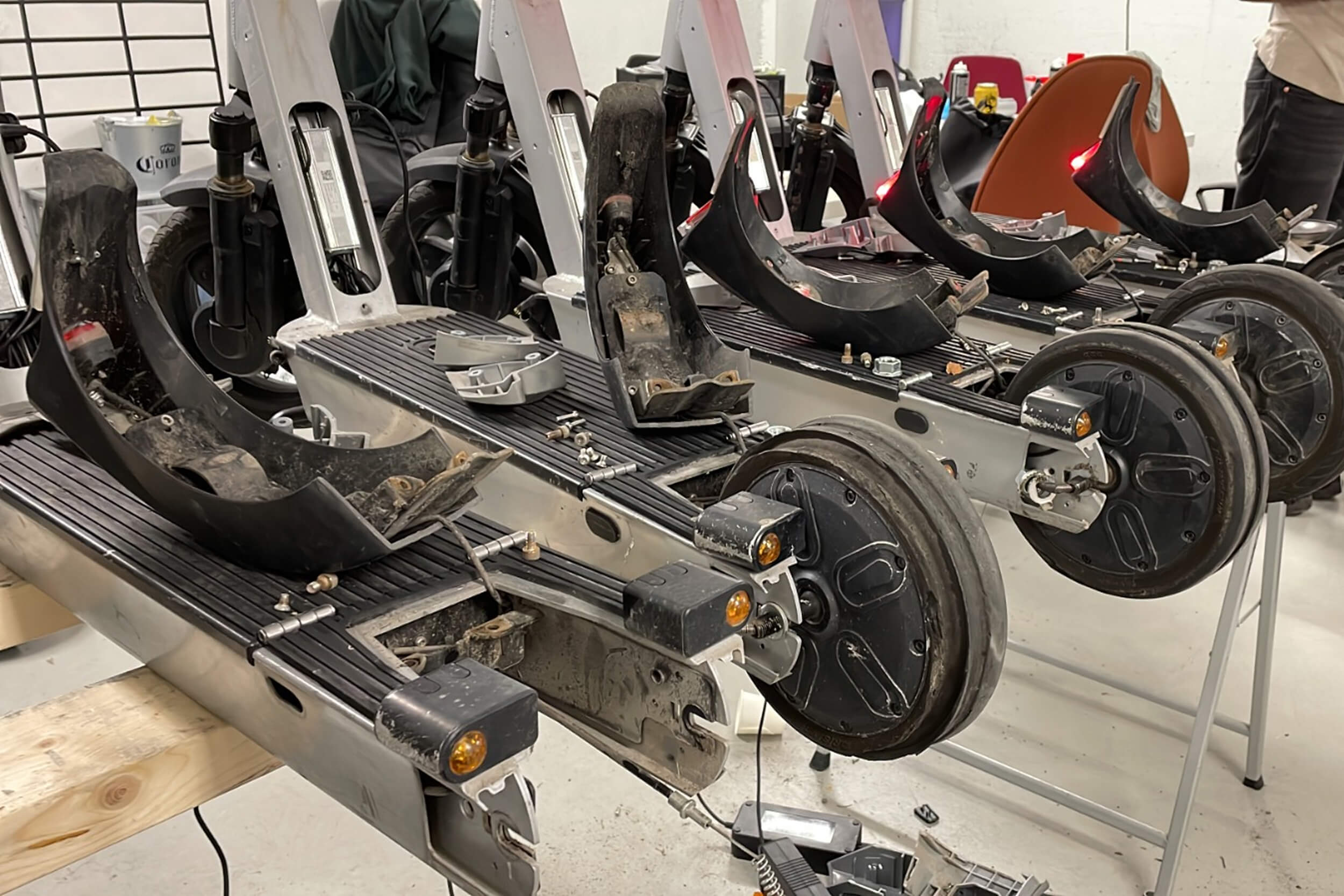
When you buy a second-hand e-scooter that’s been cleaned, tested, and repaired, you’re taking a product that already exists and giving it a longer life. That’s not just good for your wallet—it’s a direct reduction in global resource demand.
A refurbished scooter keeps raw materials in use longer and reduces the need for new mining, manufacturing, and global shipping. It’s a small action that has a real, measurable impact.
Rebuilt Batteries: The Circular Core
Batteries are both the most valuable and most environmentally sensitive part of an e-scooter. They contain lithium, cobalt, and nickel—resources that are finite, often difficult to extract, and tied to geopolitical and ethical concerns.
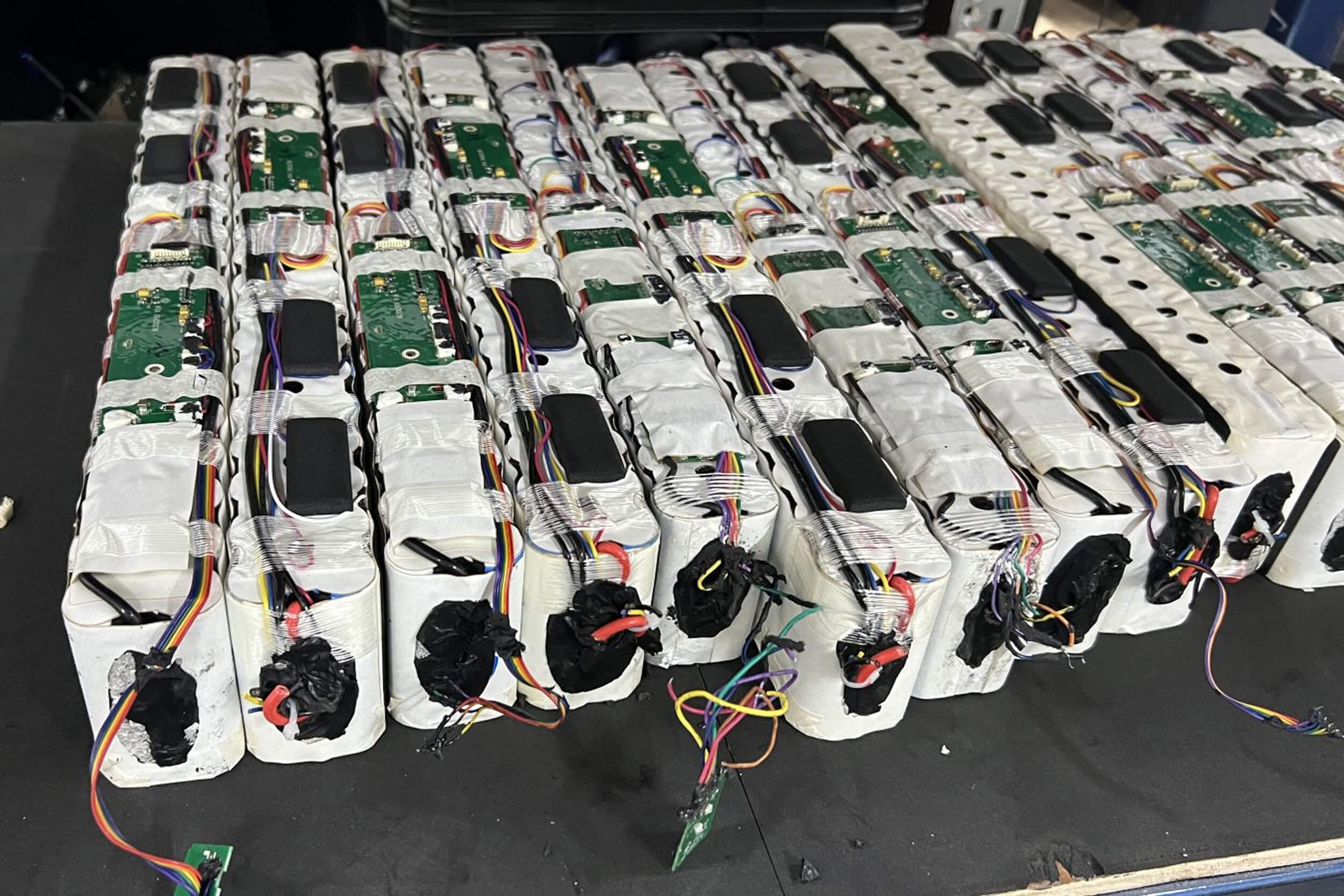
In a circular economy, batteries are not thrown away the moment their range drops. They are rebuilt. That means removing degraded cells and replacing them with new ones, all while preserving the outer casing and functioning components.
At Scootshop, we offer rebuilt battery options that restore performance without generating waste. This extends the battery’s lifespan by hundreds of cycles—and makes it easier for people to afford a scooter without paying the high cost of a new battery or device.
Battery rebuilding is the heart of circular mobility. It gives us back control over the most fragile part of the product lifecycle.
Economic Access Through Circular Systems
The circular economy isn’t just about sustainability—it’s also about equity.
By keeping scooters in circulation longer, we make them more affordable. A brand-new e-scooter might cost $800 or more. A refurbished one? Often less than half that. With battery rebuilds, shared parts, and lower repair costs, ownership becomes accessible to students, part-time workers, and anyone looking for low-cost mobility.
Access to clean, efficient transport shouldn’t be a luxury. The second-hand model brings affordability and sustainability together—without compromise.
Reducing E-Waste, One Ride at a Time
Globally, e-waste is one of the fastest-growing waste streams. According to the UN, we generated 53.6 million metric tons of electronic waste in 2019 alone—and only a fraction of that was properly recycled.
By reusing and reselling scooters, we cut directly into this waste stream. It’s one less vehicle in the landfill. One less battery dumped. One more reason to reimagine how we consume.
At Scootshop, every scooter that finds a second (or third) owner is a step toward lowering that mountain of waste.
A Platform That Supports the Whole Cycle
Scootshop isn’t just a marketplace. It’s a system built to support the entire circular lifecycle.
- We vet listings to ensure quality and safety.
- We work with battery rebuilders who extend usable life.
- We help riders understand how to maintain their scooters so they last longer.
- And when a scooter reaches its true end-of-life, we direct it to responsible recycling partners.
This full-circle support ensures that circular thinking isn’t just a buzzword—it’s part of every sale.
Conclusion
The future of sustainable transport isn’t just electric—it’s circular.
Second-hand scooters offer a way to reduce waste, conserve resources, and make clean mobility more accessible. When you choose refurbished, you’re not just making a smart purchase. You’re participating in a broader shift—one that values longevity over disposability, and repair over replacement.
At Scootshop, we believe every ride has more than one life. And in a circular economy, that makes all the difference.