Why E-Scooters Fit Every Lifestyle
May 15, 2026
How to Stay Safe on an E-Scooter in Wet Weather
June 15, 2026
Circular Economy on Two Wheels: How E-Scooters Are Leading the Charge
The world is moving fast—and not just in terms of transportation. Our conversations around sustainability are evolving too. We’re shifting away from linear systems of production and consumption (make, use, throw away) toward something smarter, more regenerative, and more efficient: the circular economy.
Electric scooters, at first glance, might seem like another consumer gadget in an already over-saturated market. But look a little deeper and you’ll find they’re actually one of the most promising examples of how micromobility can support a circular, sustainable economy—especially when reused and rebuilt correctly.
At Scootshop, we don’t just sell second-hand scooters. We participate in a system where every ride extends the life of a product, reduces waste, and creates long-term value. In this article, we’ll break down how e-scooters—particularly second-hand and refurbished ones—are pushing the circular economy forward.
Understanding the Circular Economy
Let’s start with the basics. The circular economy is an economic system designed to eliminate waste and keep materials in use for as long as possible. It’s built on three core principles:
- Design out waste and pollution
- Keep products and materials in use
- Regenerate natural systems
In a circular economy, products are designed to be repaired, reused, or disassembled—rather than thrown out. It’s a shift away from disposable thinking and toward resilience.
This is a perfect fit for the challenges and opportunities presented by micromobility.
Why E-Scooters Are Uniquely Suited to Circular Thinking
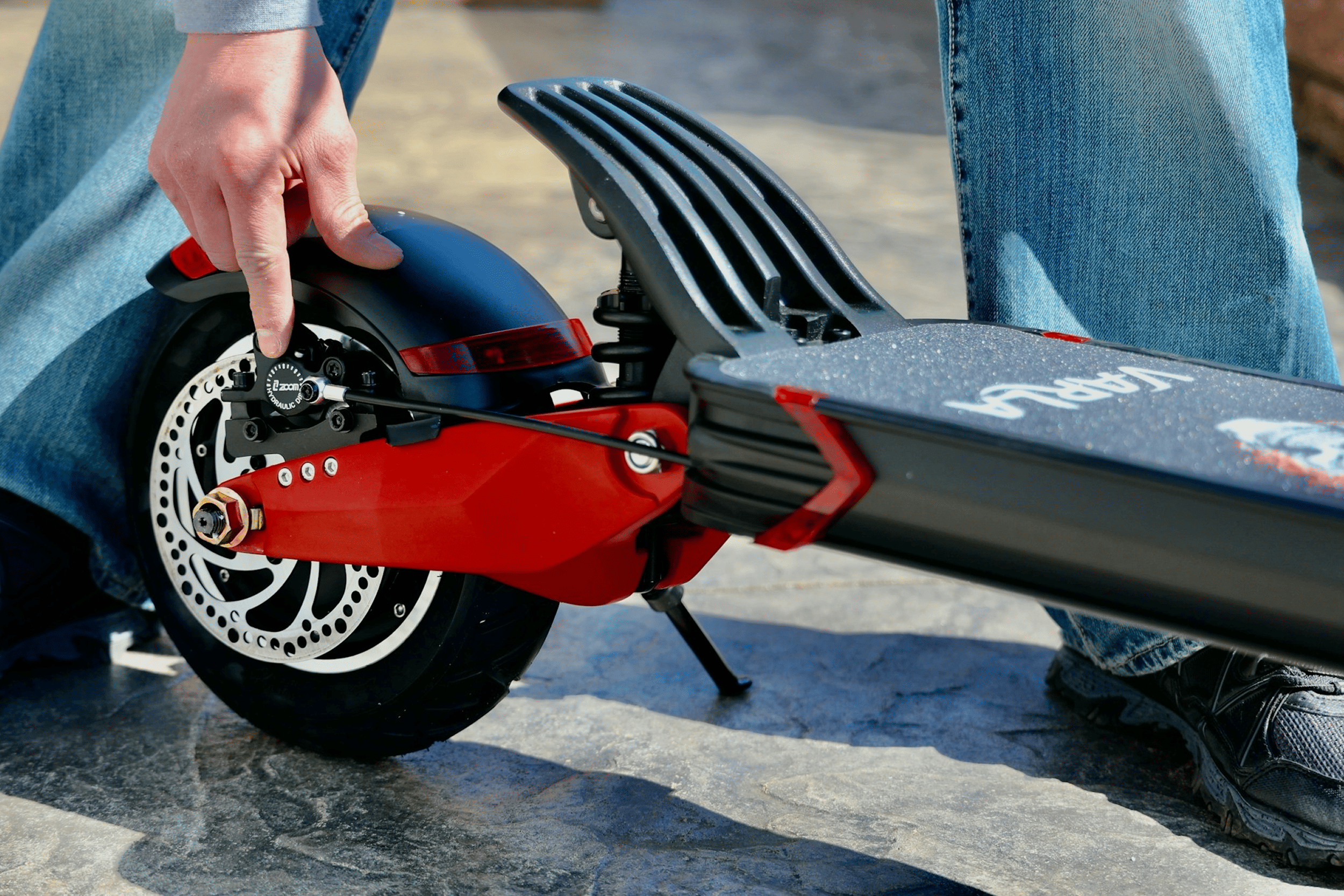
E-scooters are modular machines. They’re made up of components that can be removed, replaced, or upgraded without replacing the whole unit. Batteries can be rebuilt. Tires can be changed. Motors can be serviced. Frames, if intact, can be reused multiple times.
Unlike smartphones or other compact electronics, scooters offer space to work, diagnose, and maintain. That means they’re naturally aligned with circular practices—if the right infrastructure exists.
Scootshop exists to provide that infrastructure. We bring together buyers, sellers, repairers, and rebuilders into one ecosystem where scooters stay in motion instead of ending up in storage—or worse, landfills.
The Problem With “Disposability”
Micromobility has faced criticism in the past for being wasteful. In the early days of shared scooter fleets, many units were built cheaply, damaged quickly, and discarded without much thought. That model isn’t sustainable—not financially, environmentally, or socially.
But private ownership, second-hand use, and parts reuse offer an antidote. When scooters are maintained and kept in use over several years—and especially when components are reused across devices—they become dramatically more eco-friendly.
At Scootshop, we treat scooters not as products, but as platforms. They’re not “used up” after one rider or one year. They evolve, adapt, and continue to deliver value when cared for and circulated properly.
Battery Rebuilding: A Key to Circular Success
One of the most powerful ways to embrace circularity in micromobility is through battery rebuilding.
Scooter batteries are expensive, complex, and resource-intensive to produce. But when one wears out, that doesn’t mean it’s destined for disposal. At Scootshop, we work with specialists who open battery packs, test individual cells, and replace only what’s needed. This process extends the battery’s life at a fraction of the cost and environmental impact of a new one.
By rebuilding instead of replacing, we keep essential components in use—and significantly reduce e-waste in the process.
Repairs That Regenerate
The same thinking applies to other scooter parts. Broken throttles, worn-out tires, cracked dashboards—these can all be replaced or repaired. In many cases, parts from one damaged scooter can be used to fix another.
This doesn’t just benefit the buyer. It supports a local repair economy, reduces dependency on overseas manufacturing, and strengthens community resilience.
Circular systems aren’t just about keeping products alive. They’re about keeping value local, creating jobs, and fostering skills that keep tools moving.
From Marketplace to Movement
Scootshop is more than a resale platform. It’s a curated network where products move through multiple hands, with each phase adding value instead of extracting it. It’s where:
- One rider’s outgrown scooter becomes someone else’s daily transport.
- A worn battery gets rebuilt and reinstalled.
- Parts from retired scooters give new life to others still in use.
This is the circular economy in action—not as theory, but as practice. Every listing, rebuild, and repair we facilitate is part of a loop that keeps materials in play, keeps people moving, and keeps waste out of the equation.
Conclusion
Micromobility isn’t just about moving through space—it’s about moving forward as a society. E-scooters, particularly when supported by repair-friendly platforms like Scootshop, represent a new kind of economy: one where waste is minimized, value is maximized, and everyone benefits.
The circular economy isn’t some distant goal. It’s already happening—on two wheels, one rebuilt battery at a time. And if you’re riding with Scootshop, you’re already part of it.