How E-Scooters Are Leading the Charge
June 2, 2026
New Commute Is Cleaner, Cheaper, and Smarter
July 1, 2026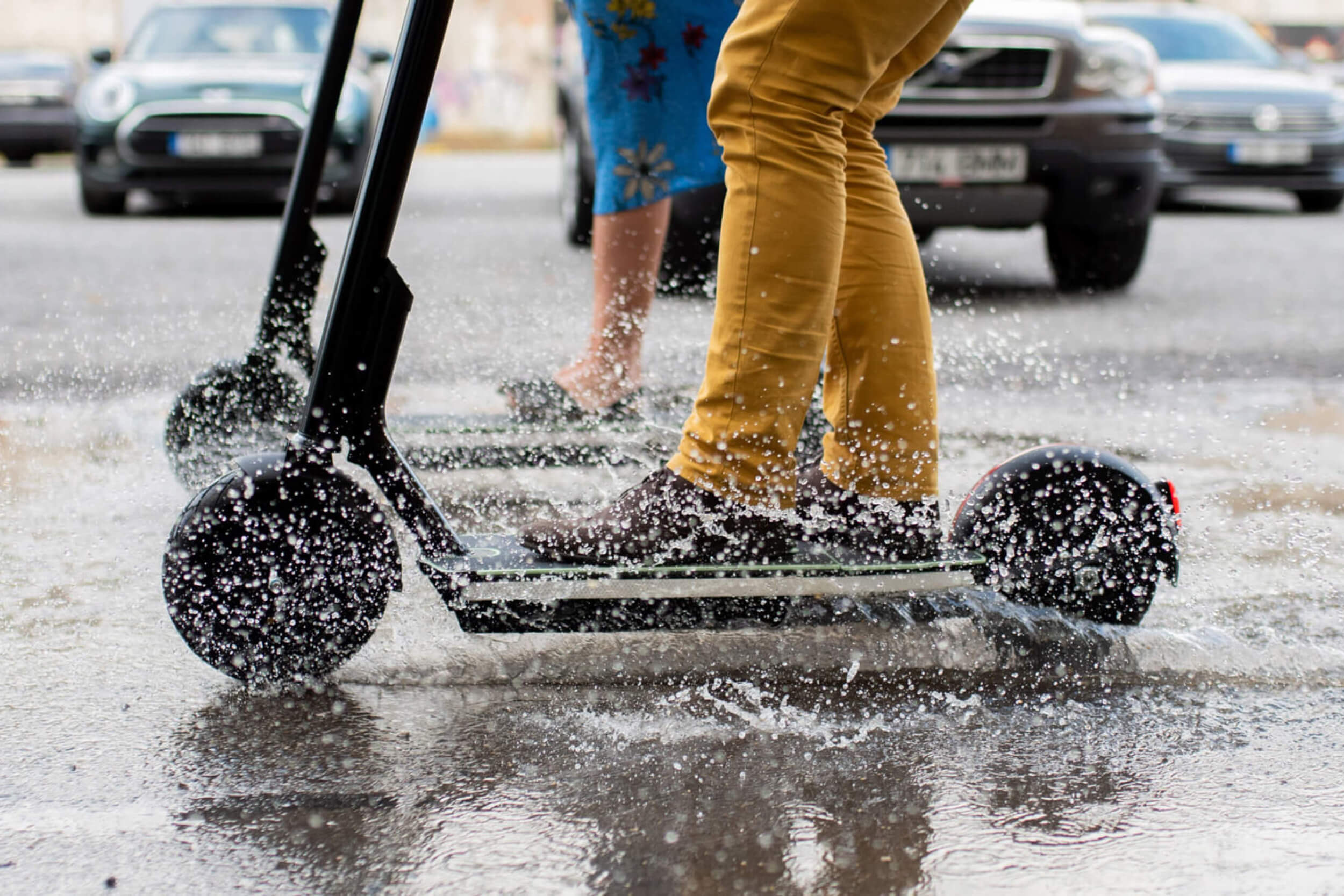
Riding in the Rain: How to Stay Safe on an E-Scooter in Wet Weather
E-scooters are sleek, fast, and fun—but when the skies turn gray, many riders wonder: Is it safe to ride in the rain? The short answer is yes, with the right knowledge and preparation. While scooters aren’t built for heavy storms or deep puddles, many models can handle light rain and wet roads just fine—if the rider handles them right.
At Scootshop, we care not only about getting you on the right scooter, but also about keeping you safe in all conditions. Whether you’re a commuter who can’t avoid wet weather or an occasional rider caught off guard by a drizzle, this guide is for you. Here’s how to ride safely, protect your scooter, and enjoy the journey—even when it’s a little damp outside.
Know Your Scooter’s Limits
Before anything else, check your scooter’s IP rating. This waterproof rating tells you how well it can handle moisture. Some scooters are water-resistant enough for rain, while others are strictly for dry days. For example:
- IP54: Splash-proof, okay for light rain
- IP65: Higher water protection, suitable for consistent rain and light puddles
- IPX4 or lower: Use caution—minimal water protection
If your scooter has no clear IP rating, assume it’s not designed for wet conditions. At Scootshop, we always encourage riders to verify specs—especially when buying second-hand.
Dress for the Weather
It might sound obvious, but staying dry is half the battle. A good waterproof jacket, gloves with grip, and even waterproof pants can make a rainy ride manageable instead of miserable. Keep your hood down or tightly fastened—you need full visibility. If your helmet has a visor, make sure it’s clean and doesn’t fog up.
For your feet, grippy shoes are essential. Wet decks can be slippery, and your stance needs to stay solid.
Riding isn’t just about the scooter—it’s about you being in control, even when conditions change.
Adjust Your Riding Style
Rain changes everything. Roads become slick, brakes respond differently, and visibility drops. In wet conditions, slower is smarter. Here’s what to keep in mind:
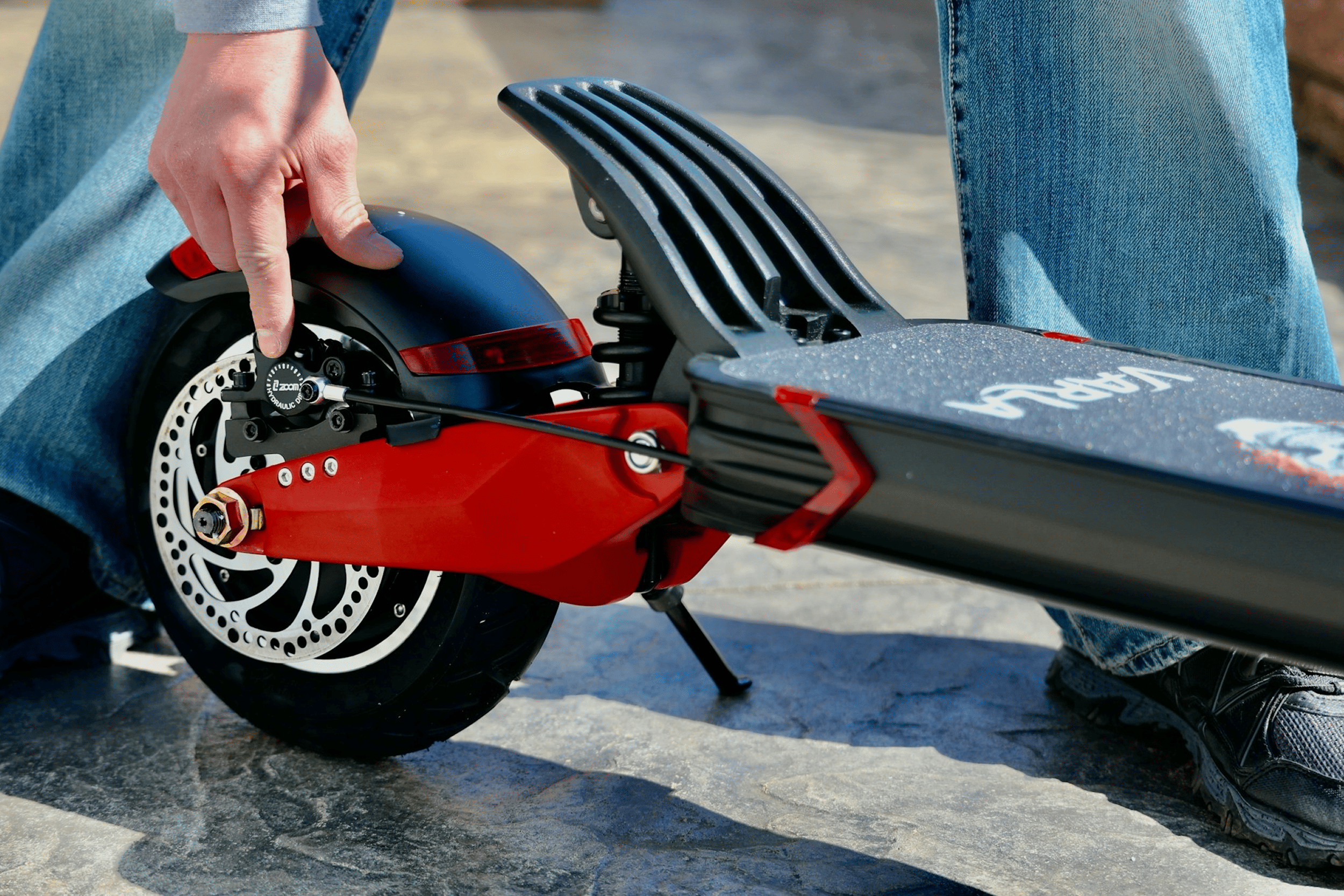
- Brake earlier and more gently. Sudden braking can cause skidding. Give yourself extra time to stop.
- Avoid sharp turns. Ease into curves and lean less than usual.
- Watch for road hazards. Painted lines, metal grates, and wet leaves become slippery traps.
- Keep both hands on the handlebars at all times.
It’s also wise to ride more defensively. Drivers might not see you as clearly, and pedestrians may not expect a scooter in the rain.
Avoid Deep Puddles
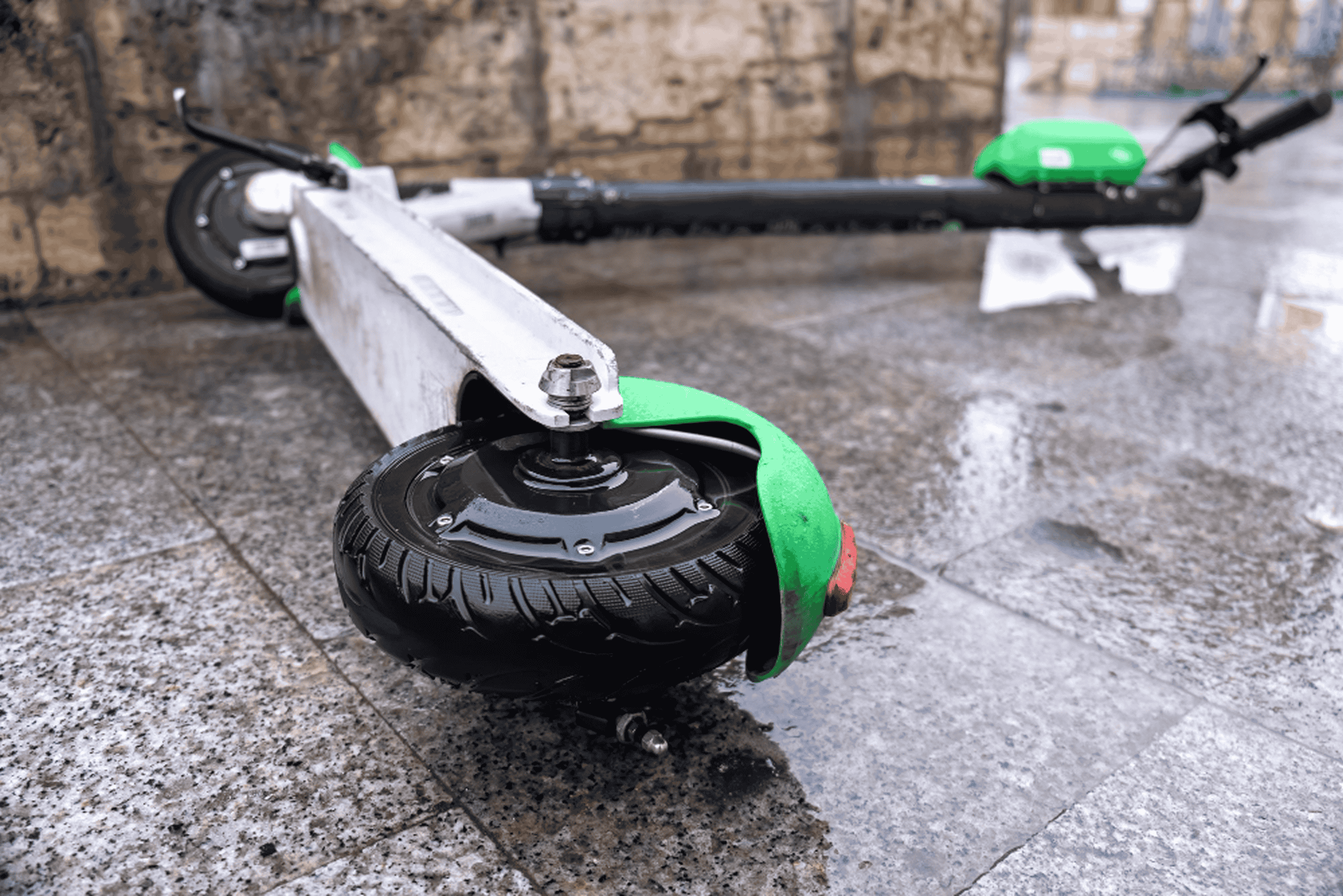
Even if your scooter is water-resistant, puddles are unpredictable. They can hide potholes, debris, or deeper dips that can send you flying—or damage your scooter’s electronics.
A quick splash through a shallow puddle is usually fine, but slowing down and steering around standing water is always the safer move. The goal is not just to protect the battery, but to protect your balance and steering as well.
Use Lights and Reflectors
Rainy days are often gray, foggy, or dark. Make sure you’re seen by others. Most scooters have built-in front and rear lights, but in wet weather, those might not be enough.
Add extra reflective strips to your jacket or helmet if possible. If your scooter’s lights aren’t bright, consider adding attachable ones—especially a blinking rear light. The more visible you are, the safer you’ll be.
Dry Your Scooter After Each Ride
Moisture left behind can cause corrosion, rust, or damage to electrical components. As soon as you’re off the road:
- Wipe down your scooter with a dry cloth
- Pay special attention to the deck, throttle, brakes, and charging port
- Store your scooter indoors so it can dry out completely
This simple habit can add months—or even years—to your scooter’s lifespan, especially if it’s a second-hand model with some mileage under its belt.
Choose the Right Tires
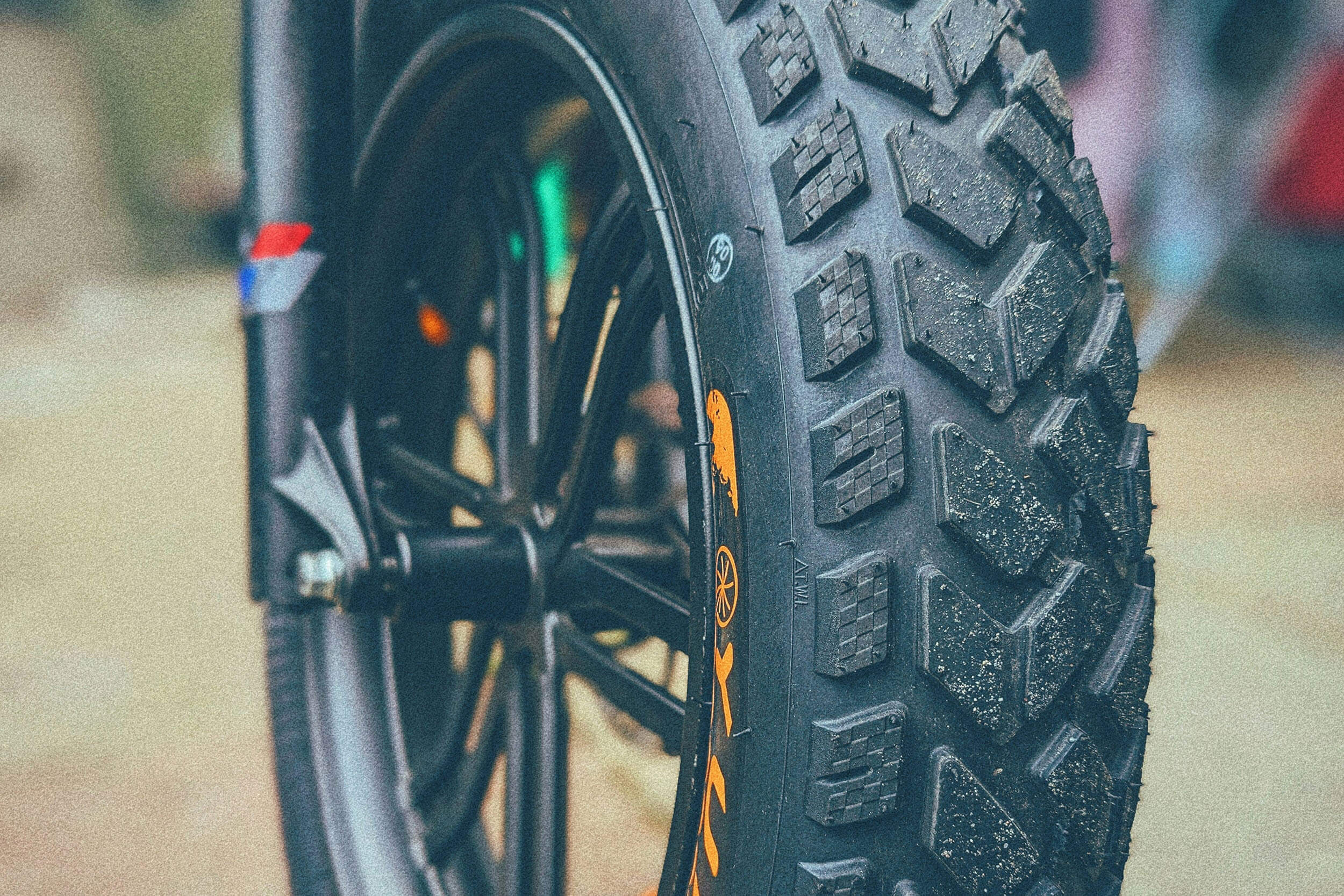
Some scooters come with air-filled tires, others with solid rubber. In general, pneumatic (air-filled) tires perform better in rain because they have more give and grip. If your tires are slick or worn out, replacing them with treaded versions can significantly improve traction.
At Scootshop, we often recommend tire upgrades as a low-cost safety investment for riders in rainy regions.
Conclusion
Riding in the rain isn’t always ideal—but it doesn’t have to be dangerous. With smart habits, proper gear, and the right scooter, wet-weather commuting can be both safe and surprisingly enjoyable.
E-scooters are about freedom and flexibility, and that shouldn’t disappear when the clouds roll in. Whether you’re heading to work, running errands, or just enjoying a misty morning ride, preparation is everything.
At Scootshop, we believe mobility should work for your whole life—not just on sunny days. And if your second-hand scooter gets you home dry and smiling, that’s the ride that really matters.