Understanding E-Scooter Braking Systems
August 15, 2026
Can You Ride an E-Scooter in the Rain? What Every Rider Should Know
Rain is an unavoidable part of life in many Canadian cities. Whether you’re commuting to work, heading to class, or running errands, there’s a good chance you’ll eventually find yourself wondering whether it’s safe to ride your electric scooter in wet conditions.
While many e-scooters advertise some level of water resistance, that doesn’t necessarily mean they’re designed to handle heavy rain, deep puddles, or prolonged exposure to moisture. Understanding the difference between water resistance and waterproofing can help you protect both your safety and your scooter.
Here’s what every rider should know before riding in the rain.
Water Resistant Doesn’t Mean Waterproof
One of the biggest misconceptions among e-scooter owners is that an IP rating makes a scooter waterproof.
Most electric scooters carry an IP rating that indicates how well certain components resist dust and water. However, these ratings usually apply under controlled testing conditions and don’t guarantee protection against every real-world situation.
Even scooters with respectable water resistance should never be considered waterproof.
Check Your Scooter’s IP Rating
Manufacturers typically specify an IP rating such as IPX4, IP54, or IP65.
Generally speaking:
- Lower ratings offer protection against light splashes.
- Higher ratings provide better resistance to water spray.
- Very few consumer scooters are designed for heavy rain or water immersion.
Always check your manufacturer’s specifications before riding in wet weather.
Reduced Traction Means Longer Stopping Distances
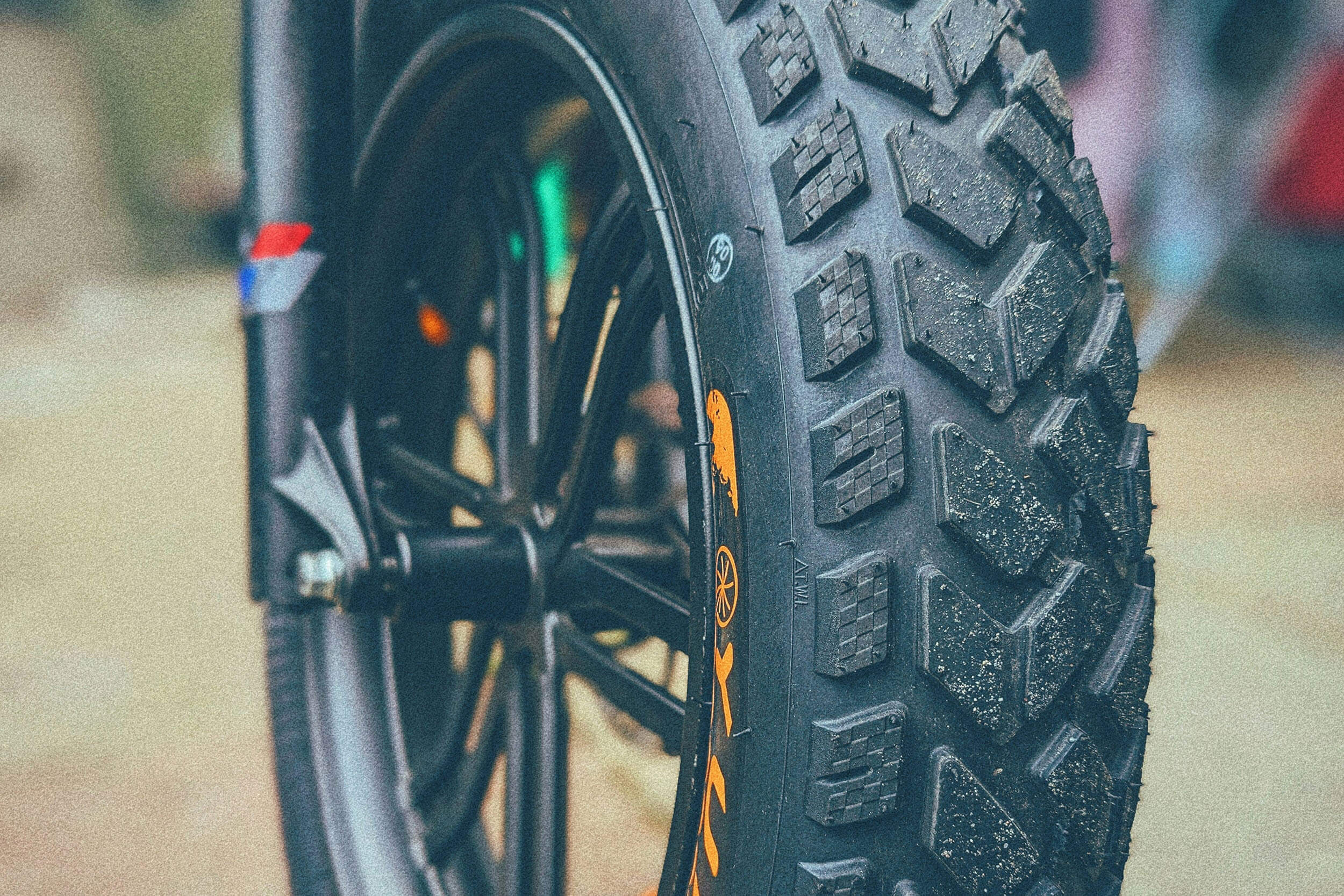
Rain affects more than your scooter’s electronics—it also changes how your tires interact with the road.
Wet pavement reduces traction, making it easier for tires to slip during:
- Hard braking.
- Quick acceleration.
- Sharp turns.
- Emergency maneuvers.
To stay safe, reduce your speed and increase the distance between yourself and other vehicles or pedestrians.
Avoid Standing Water
Puddles may look harmless, but they can hide serious hazards.
Water can conceal:
- Deep potholes.
- Curbs.
- Sharp debris.
- Uneven pavement.
In addition, riding through standing water increases the chance of moisture reaching sensitive electrical components beneath the scooter.
Whenever possible, ride around puddles instead of through them.
Brake Earlier Than Usual
Wet roads increase stopping distances regardless of your braking system.
Instead of waiting until the last moment:
- Begin braking earlier.
- Apply brakes gradually.
- Avoid sudden braking whenever possible.
- Keep both hands firmly on the handlebars.
Smooth riding becomes even more important during wet conditions.
Wear Appropriate Gear
Rain affects visibility as much as road grip.
Consider wearing:
- A waterproof jacket.
- High-visibility clothing.
- Waterproof gloves.
- Shoes with good traction.
- A helmet with a clear visor if available.
The goal is not only staying dry but also remaining visible to other road users.
Dry Your Scooter After Every Wet Ride
One of the best maintenance habits is also one of the simplest.
After riding in wet conditions:
- Wipe down the frame.
- Dry the deck thoroughly.
- Remove dirt from the wheels.
- Inspect charging ports before plugging in.
- Store the scooter indoors until completely dry.
Never charge a scooter if moisture is present around the charging connector.
Watch for Corrosion
Repeated exposure to moisture can gradually affect:
- Bolts.
- Brake components.
- Bearings.
- Electrical connectors.
- Folding mechanisms.
Routine inspections help identify early signs of corrosion before they become expensive repairs.
When You Shouldn’t Ride
Sometimes postponing your ride is simply the safest decision.
Avoid riding during:
- Heavy rain.
- Thunderstorms.
- Flooded streets.
- Freezing rain.
- Conditions with poor visibility.
No trip is worth risking injury or damaging your scooter.
Buying a Used Scooter
If you’re considering a second-hand e-scooter, ask whether it has frequently been ridden in wet weather.
Look for signs of previous water exposure, including:
- Rust around fasteners.
- Corrosion on electrical connectors.
- Water stains inside the battery compartment.
- Moisture damage around the display.
- Rough or noisy wheel bearings.
At Scootshop, understanding a scooter’s maintenance history helps buyers make more informed decisions while supporting longer-lasting, more sustainable ownership.
Conclusion
Most electric scooters can tolerate light moisture, but they should never be treated as waterproof vehicles. Riding responsibly in wet weather means adjusting your speed, improving your visibility, and taking extra care of your scooter after every ride.
By understanding your scooter’s limitations and practicing proper maintenance, you can reduce unnecessary wear while staying safer on unpredictable roads.
At Scootshop, we encourage riders to combine smart riding habits with regular inspections to keep every journey reliable—rain or shine.