How to Protect Your E-Scooter from Theft
July 15, 2026
Understanding E-Scooter Braking Systems
August 15, 2026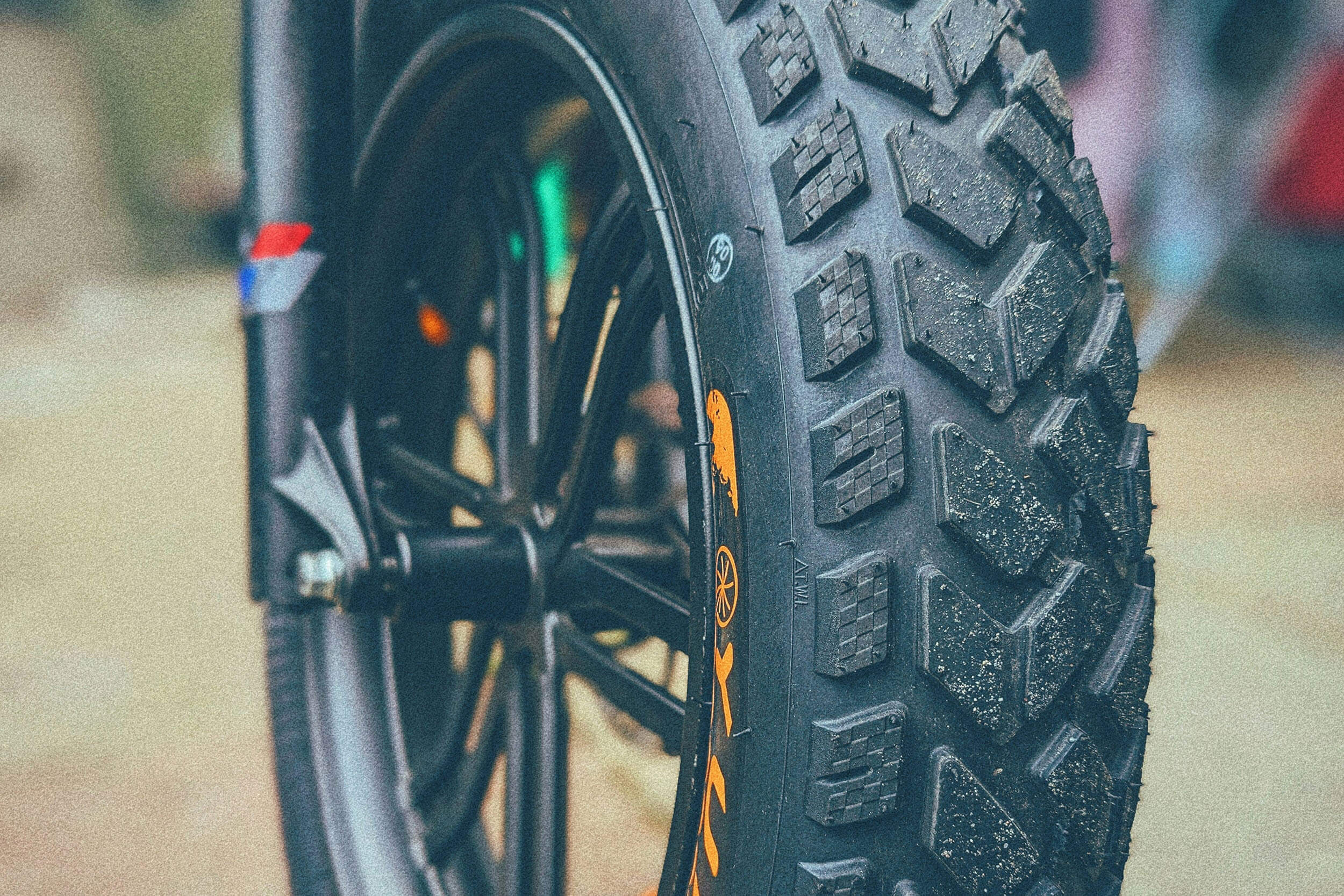
Tubed vs. Tubeless E-Scooter Tires: Which One Is Right for You?
Your e-scooter’s tires are the only point of contact between you and the road, making them one of the most important components for safety, comfort, and performance. Yet many riders don’t pay much attention to their tires until they experience a flat or notice a decline in ride quality.
If you’re shopping for a new or second-hand e-scooter, you’ll likely come across two common tire types: tubed and tubeless. While they may look similar from the outside, their construction, maintenance requirements, and riding characteristics are quite different.
Understanding these differences will help you choose the right scooter for your needs and better maintain the one you already own.
What Are Tubed Tires?
Tubed tires contain a separate inflatable inner tube inside the tire. This design has been used for decades on bicycles, motorcycles, and many entry-level electric scooters.
When the tire encounters a sharp object, it’s usually the inner tube that punctures rather than the outer tire itself.
Many affordable e-scooters continue to use tubed tires because they’re inexpensive to manufacture and relatively simple to replace.
What Are Tubeless Tires?
Tubeless tires eliminate the separate inner tube entirely. Instead, the tire itself forms an airtight seal against the wheel rim.
This technology has become increasingly common on premium electric scooters because it offers improved reliability and better resistance to sudden air loss.
While tubeless tires still require air pressure, they rely on the tire’s seal rather than an internal tube to hold it.
Ride Comfort
Both tire types can provide a comfortable ride when properly inflated, but there are subtle differences.
Tubed tires often absorb small bumps well because of their flexible construction. However, they may be more susceptible to pinch flats when hitting potholes or curbs.
Tubeless tires generally offer more consistent handling and can often operate at slightly lower pressures without compromising stability, improving comfort on uneven roads.
Puncture Resistance
This is where tubeless tires have a clear advantage.
If a small nail or screw punctures a tubeless tire, air usually escapes much more slowly. In some cases, tire sealant can temporarily seal the puncture without requiring immediate repair.
Tubed tires, on the other hand, tend to lose air quickly after a puncture, often making the scooter impossible to ride until the tube is replaced.
Maintenance Requirements
Tubed tires are usually easier for experienced riders to repair at home.
Replacing an inner tube generally requires:
- Removing the wheel.
- Removing one side of the tire.
- Installing a new tube.
- Reassembling and inflating everything correctly.
Tubeless tires require different repair methods. Small punctures can often be fixed using plug kits, while larger damage may require professional service or tire replacement.
Neither system is maintenance-free, but each requires different tools and skills.
Durability
Durability depends on several factors, including road conditions, riding habits, tire quality, and proper inflation.
Regardless of tire type, riders should:
- Check tire pressure regularly.
- Inspect for cuts or embedded debris.
- Replace worn tires before tread becomes dangerously low.
- Avoid riding over sharp construction materials whenever possible.
Proper maintenance extends tire life far more than tire type alone.
Weight and Efficiency
Tubeless tires typically weigh slightly less because they don’t require a separate inner tube.
While the difference isn’t dramatic, lower rotating weight can contribute to slightly improved efficiency and handling on some scooters.
For most everyday riders, however, reliability and maintenance will be more noticeable than weight savings.
Which Tire Is Better for Daily Commuting?
If your commute involves paved city streets and regular daily riding, tubeless tires are often the preferred choice because they offer improved puncture resistance and fewer unexpected flats.
However, many commuters continue using tubed tires successfully by maintaining proper tire pressure and carrying a spare tube when needed.
The best choice depends on your priorities rather than one design being universally superior.
Buying a Second-Hand Scooter
When inspecting a used scooter, don’t focus only on whether it has tubed or tubeless tires.
Instead, check:
- Tire tread depth.
- Sidewall condition.
- Signs of previous repairs.
- Air retention.
- Wheel alignment.
- Overall riding stability.
A well-maintained tubed tire is often a better investment than a neglected tubeless one.
At Scootshop, every scooter should be evaluated as a complete package. Tire condition, battery health, braking performance, and overall maintenance history all contribute to a safer and more reliable riding experience.
Conclusion
Choosing between tubed and tubeless tires isn’t about finding a universally better option—it’s about selecting the setup that matches your riding style, maintenance preferences, and budget.
Understanding how each system works allows you to make smarter purchasing decisions, prevent unnecessary repairs, and enjoy a safer ride throughout the year.
Whether you’re buying your first scooter or upgrading to another model, paying attention to tire condition is one of the simplest ways to improve both safety and long-term ownership.