Tubed vs. Tubeless E-Scooter Tires
August 2, 2026
Can You Ride an E-Scooter in the Rain?
September 16, 2026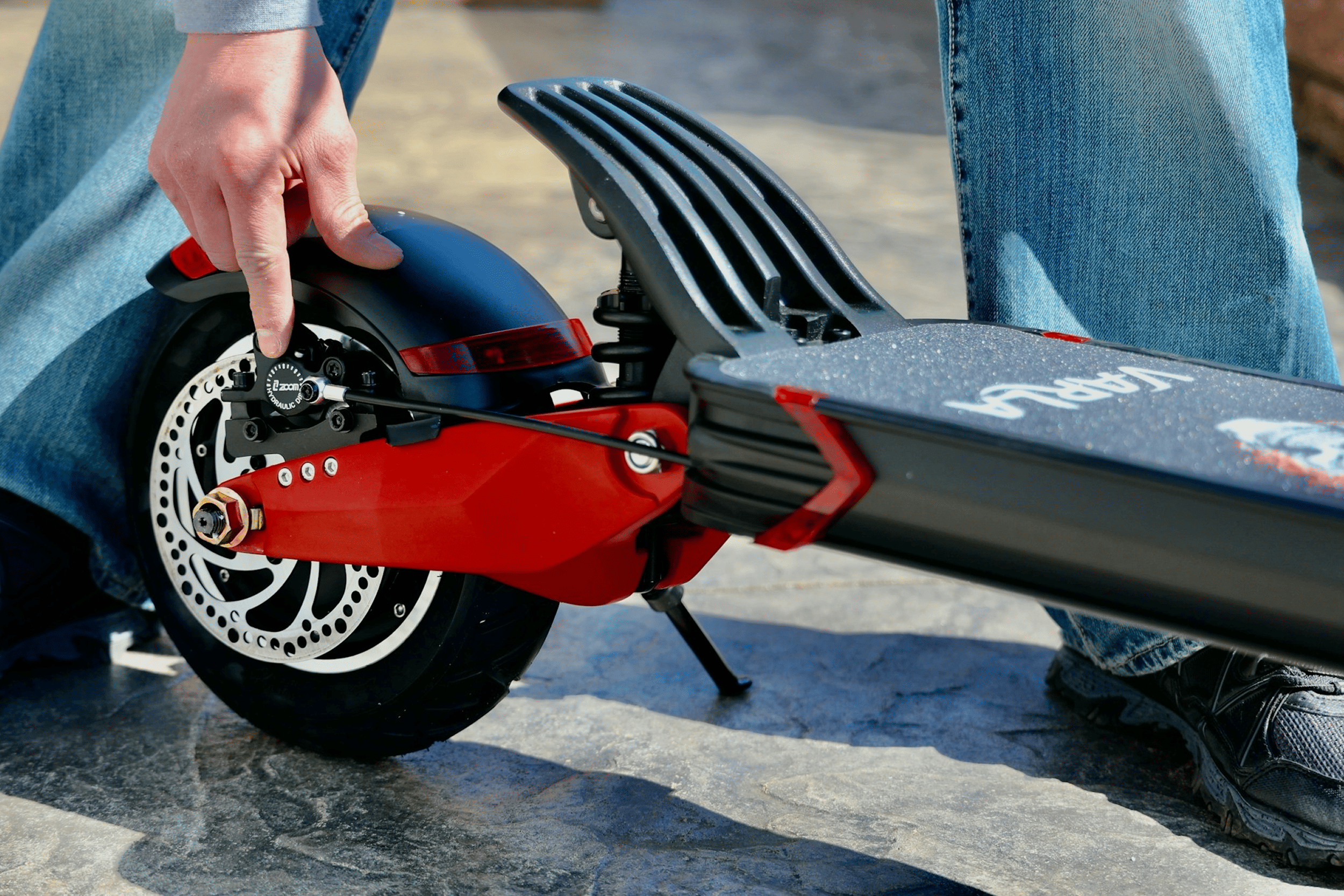
Understanding E-Scooter Braking Systems: Which One Offers the Best Safety?
When shopping for an electric scooter, riders often compare speed, range, and battery capacity. Yet one of the most important safety features is frequently overlooked: the braking system.
Your brakes determine how quickly and confidently you can stop in traffic, navigate busy intersections, or avoid unexpected obstacles. Whether you’re commuting to work, running errands, or enjoying a weekend ride, understanding how different braking systems work can help you make safer purchasing and maintenance decisions.
From simple mechanical brakes to advanced hydraulic and regenerative systems, each option offers its own advantages and limitations. Here’s what every rider should know before choosing their next e-scooter.
Why Brakes Matter More Than Speed
Many riders focus on how fast a scooter can accelerate, but stopping safely is just as important.
A reliable braking system helps:
- Reduce stopping distance.
- Maintain control on wet or uneven roads.
- Prevent unnecessary wear on other components.
- Increase rider confidence in busy urban environments.
The better your brakes perform, the more prepared you’ll be for unexpected situations.
Mechanical Disc Brakes
Mechanical disc brakes are among the most common braking systems found on commuter e-scooters.
When you squeeze the brake lever, a steel cable pulls the brake caliper, pressing brake pads against a metal rotor attached to the wheel.
Advantages include:
- Affordable maintenance.
- Easy adjustment.
- Widely available replacement parts.
- Reliable stopping performance for everyday riding.
However, brake cables can gradually stretch over time, requiring occasional adjustments to maintain optimal performance.
Hydraulic Disc Brakes
Hydraulic braking systems replace traditional cables with sealed hydraulic fluid.
When the brake lever is pressed, fluid transfers pressure evenly to the brake caliper, producing stronger and more consistent braking force.
Hydraulic systems typically offer:
- Smoother brake feel.
- Shorter stopping distances.
- Better modulation.
- Less hand fatigue during long rides.
Although they generally cost more and require specialized servicing, many experienced riders consider hydraulic brakes worth the investment.
Electronic Braking
Some scooters use electronic braking by controlling the motor electronically rather than relying solely on physical brake pads.
Electronic braking offers several benefits:
- Smooth deceleration.
- Reduced brake pad wear.
- Improved control during gentle slowing.
However, electronic braking should not be considered a replacement for mechanical braking. It performs best when paired with another braking system.
Regenerative Braking
Many modern electric scooters include regenerative braking.
Instead of wasting energy during braking, the motor briefly acts as a generator, converting some of the scooter’s momentum back into electrical energy.
Benefits include:
- Slight battery recharge during riding.
- Reduced wear on brake pads.
- Smoother deceleration.
While regenerative braking can improve efficiency, the recovered energy is relatively small. Its greatest benefit is reducing mechanical brake usage rather than significantly extending range.
Drum Brakes
Drum brakes are enclosed inside the wheel hub, protecting them from dirt, rain, and debris.
Advantages include:
- Low maintenance.
- Excellent durability.
- Reliable performance in poor weather.
- Long service life.
Their main disadvantage is that they generally provide less stopping power than quality hydraulic disc brakes, particularly at higher speeds.
Which System Is Best?
There is no single braking system that suits every rider.
For casual commuting:
Mechanical disc brakes often provide an excellent balance between performance, maintenance, and cost.
For frequent riders or higher-performance scooters:
Hydraulic disc brakes usually deliver superior control and stopping confidence.
For maximum efficiency:
Scooters that combine hydraulic or mechanical brakes with regenerative braking offer the best overall experience.
Brake Maintenance Tips
Even the best braking system requires regular maintenance.
Inspect your brakes regularly for:
- Worn brake pads.
- Loose mounting bolts.
- Rotor damage.
- Brake cable tension.
- Hydraulic fluid leaks.
- Unusual noises during braking.
Ignoring minor brake problems can quickly lead to reduced stopping performance and higher repair costs.
Signs Your Brakes Need Attention
Don’t wait until braking performance becomes dangerous.
Common warning signs include:
- Squealing or grinding sounds.
- Longer stopping distances.
- Brake lever feels soft or loose.
- Scooter pulls to one side while braking.
- Vibrations when stopping.
Addressing these issues early helps maintain both safety and component longevity.
Buying a Used Scooter
When evaluating a second-hand scooter, always test the braking system before making a purchase.
Pay attention to:
- Brake responsiveness.
- Rotor condition.
- Pad wear.
- Brake lever feel.
- Overall stopping performance.
At Scootshop, inspecting critical safety components—including brakes, battery health, and structural integrity—helps riders make informed decisions when purchasing pre-owned electric scooters.
Conclusion
Your braking system is one of the most important factors affecting everyday riding safety. Understanding the strengths and maintenance requirements of each type allows you to choose the right scooter with greater confidence.
Whether you ride daily through busy city streets or occasionally explore local trails, properly maintained brakes provide peace of mind every time you ride.
At Scootshop, we encourage riders to look beyond speed and range by giving equal attention to the safety systems that make every journey more secure.