Can You Ride an E-Scooter in the Rain?
September 16, 2026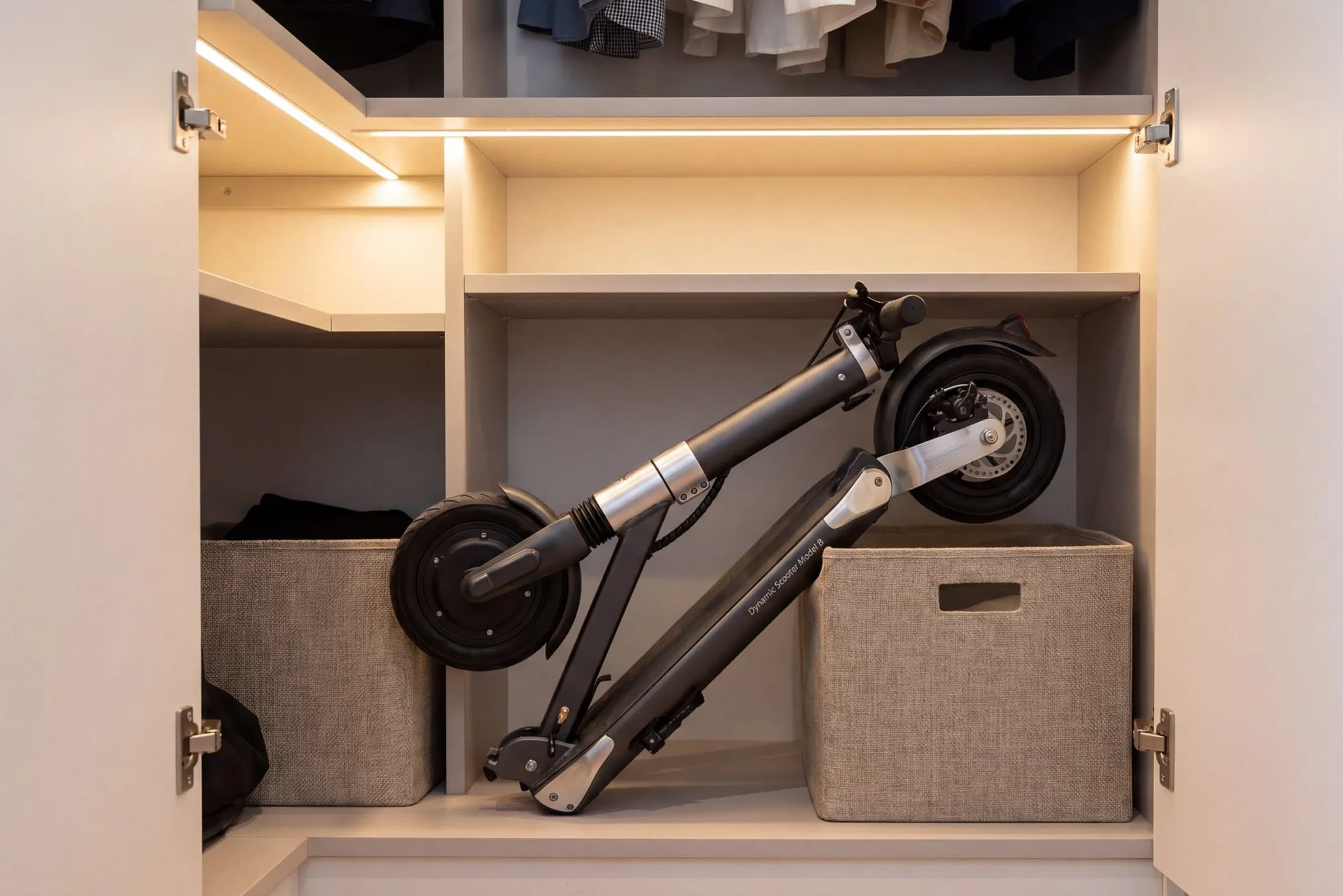
How to Store Your E-Scooter Properly During Long Periods of Non-Use
There are plenty of reasons why you might stop riding your e-scooter for a while. Maybe winter has arrived, you’re traveling for a few weeks, or you’re simply using other forms of transportation more often. Whatever the reason, how you store your scooter during extended periods can have a significant impact on its performance and lifespan.
Many owners assume they can park their scooter in the garage, leave it untouched for several months, and expect it to perform exactly the same afterward. Unfortunately, improper storage can shorten battery life, damage tires, encourage corrosion, and even create safety risks.
With a few simple precautions, you can keep your scooter in excellent condition until you’re ready to ride again.
Why Proper Storage Matters
Even when an e-scooter isn’t being used, its components continue to age.
Lithium-ion batteries slowly discharge over time, rubber tires gradually lose air pressure, and humidity can affect metal and electrical components.
Taking a proactive approach before storing your scooter helps prevent unnecessary repairs and extends its usable life.
Clean Your Scooter Before Storage
Never store a dirty scooter for an extended period.
Dust, road salt, mud, and moisture left on the frame can gradually damage finishes and encourage corrosion.
Before putting your scooter away:
- Wash off dirt and debris.
- Dry the scooter completely.
- Remove any mud trapped around the wheels.
- Clean the folding mechanism.
- Wipe down the display and controls.
A clean scooter is much easier to inspect when it’s time to ride again.
Charge the Battery Correctly
Battery storage is one of the most important factors in long-term scooter health.
For most lithium-ion batteries, storing them completely full or completely empty is not recommended.
Instead:
- Charge the battery to approximately 50–70%.
- Avoid leaving it at 100% for several weeks.
- Never store it fully discharged.
This charge range helps minimize battery stress during storage.
Choose the Right Storage Location
Where you store your scooter matters just as much as how you prepare it.
An ideal storage area should be:
- Dry.
- Clean.
- Well ventilated.
- Protected from direct sunlight.
- Free from excessive humidity.
Avoid locations where temperatures fluctuate dramatically throughout the day.
Protect It from Extreme Temperatures
Lithium-ion batteries perform best when stored in moderate temperatures.
Whenever possible, avoid:
- Freezing garages.
- Hot sheds.
- Direct sunlight.
- Areas near heaters or furnaces.
Extreme temperatures can permanently reduce battery capacity over time.
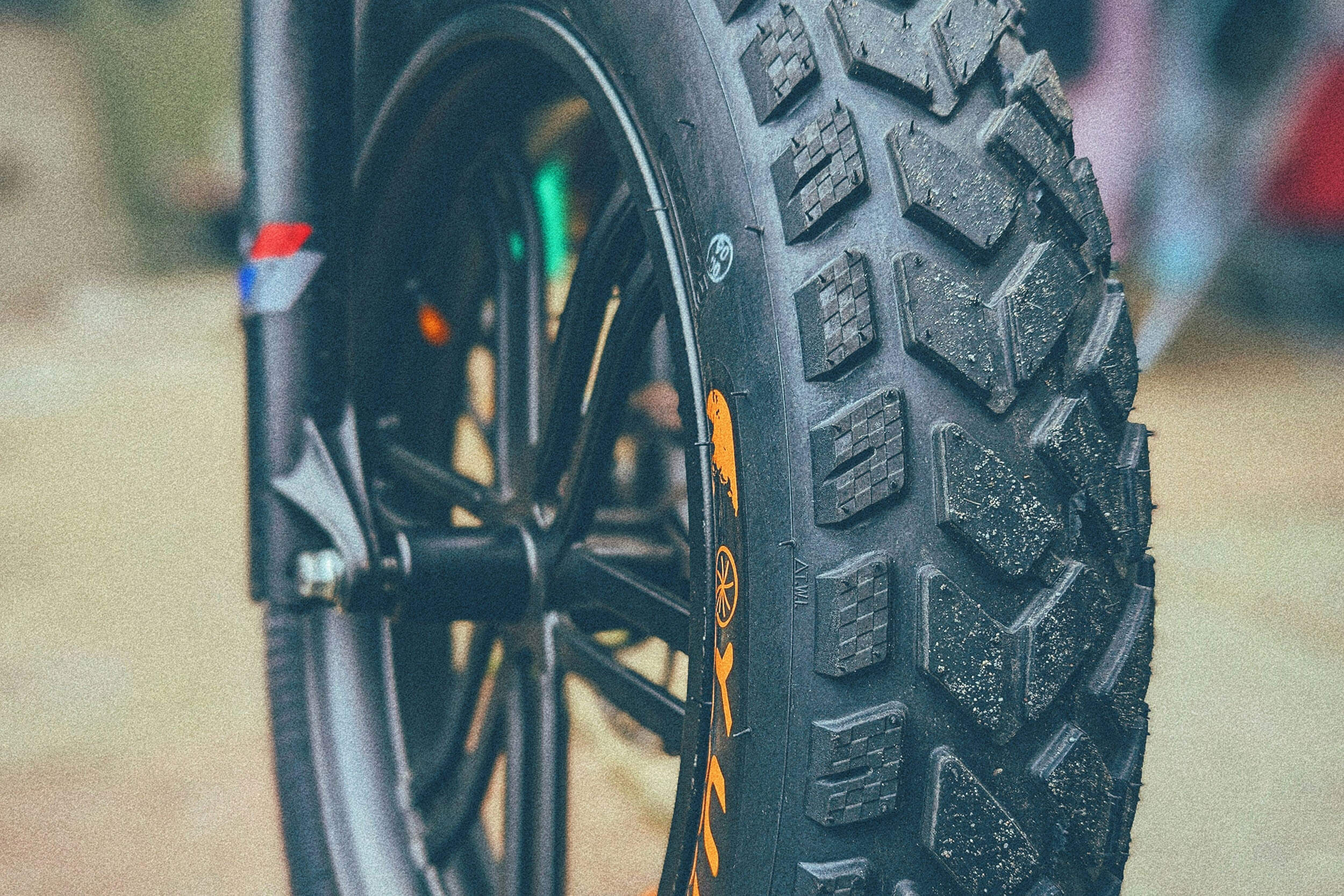
Check Tire Pressure
Tires naturally lose air while sitting unused.
Before storing your scooter:
- Inflate the tires to the manufacturer’s recommended pressure.
- Recheck them every few weeks if possible.
Proper inflation helps prevent flat spots and unnecessary stress on the tire sidewalls.
Disconnect Accessories
If your scooter has removable accessories, consider taking them off before storage.
Examples include:
- Phone mounts.
- Storage bags.
- Action cameras.
- External lights.
- Portable GPS devices.
Removing these items protects them from dust, accidental damage, and unnecessary battery drain.
Recharge Periodically
Even during storage, lithium-ion batteries slowly lose charge.
If you’re storing your scooter for several months:
- Check the battery approximately once every month.
- Recharge it if the charge level falls significantly below the recommended storage range.
Allowing the battery to discharge completely during storage can permanently damage its cells.
Inspect Before Riding Again
When you’re ready to use your scooter again, don’t immediately head out for a long ride.
Perform a quick inspection first:
- Check tire pressure.
- Test the brakes.
- Verify that lights and display function correctly.
- Inspect cables and connectors.
- Listen for unusual noises.
- Confirm that the folding mechanism locks securely.
A few minutes of inspection can prevent bigger problems later.
Buying a Scooter That Has Been Stored
If you’re purchasing a second-hand scooter that has spent months in storage, ask the seller:
- How long it was stored.
- What battery charge level was maintained.
- Whether it was kept indoors.
- Whether periodic charging was performed.
At Scootshop, understanding a scooter’s storage history helps buyers better evaluate battery condition and overall long-term reliability.
Conclusion
Proper storage is one of the easiest ways to protect your investment. A little preparation before putting your scooter away can help preserve battery performance, reduce maintenance costs, and ensure a smoother return to riding.
Whether you’re storing your scooter for a month or an entire season, following a few simple best practices can keep it ready for many more kilometers ahead.
At Scootshop, we encourage riders to think beyond daily maintenance by adopting storage habits that support longer-lasting, more sustainable micromobility.